
Have you ever wondered just how big a Manx cat can get, and what factors influence their growth? Originating from the storied Isle of Man, the Manx cat is a delightful paradox of feline characteristics, often recognized by its varied tail lengths— ranging from completely tailless to fully-tailed. These medium-sized, short-haired cats are not just fascinating in appearance but also in their build.
Notably robust, the Manx cat’s hind legs are stronger than their front ones, contributing to their impressive jumping abilities. They sport a double coat that may vary from short to long hair, with the long-haired variant sometimes referred to as the Cymric cat. If you’re curious about their temperament, prepare to be smitten; with a dog-like demeanor, they bond intensely with their human companions, are highly intelligent, playful, and demand both space and attention. These traits make the Manx cat an excellent pet, thriving in an environment with children and other pets.
Key Takeaways
- The Manx cat is known for its unique tail variations, from no tail to full tail.
- This medium-sized breed boasts robust hind legs, facilitating remarkable jumping skills.
- Manx cats sport a double coat, which can range from short to long hair.
- Their lively, dog-like nature makes them ideal companions for children and other pets.
- Understanding the size and growth of a Manx cat helps in providing the best care possible.
Introduction to the Manx Cat Breed
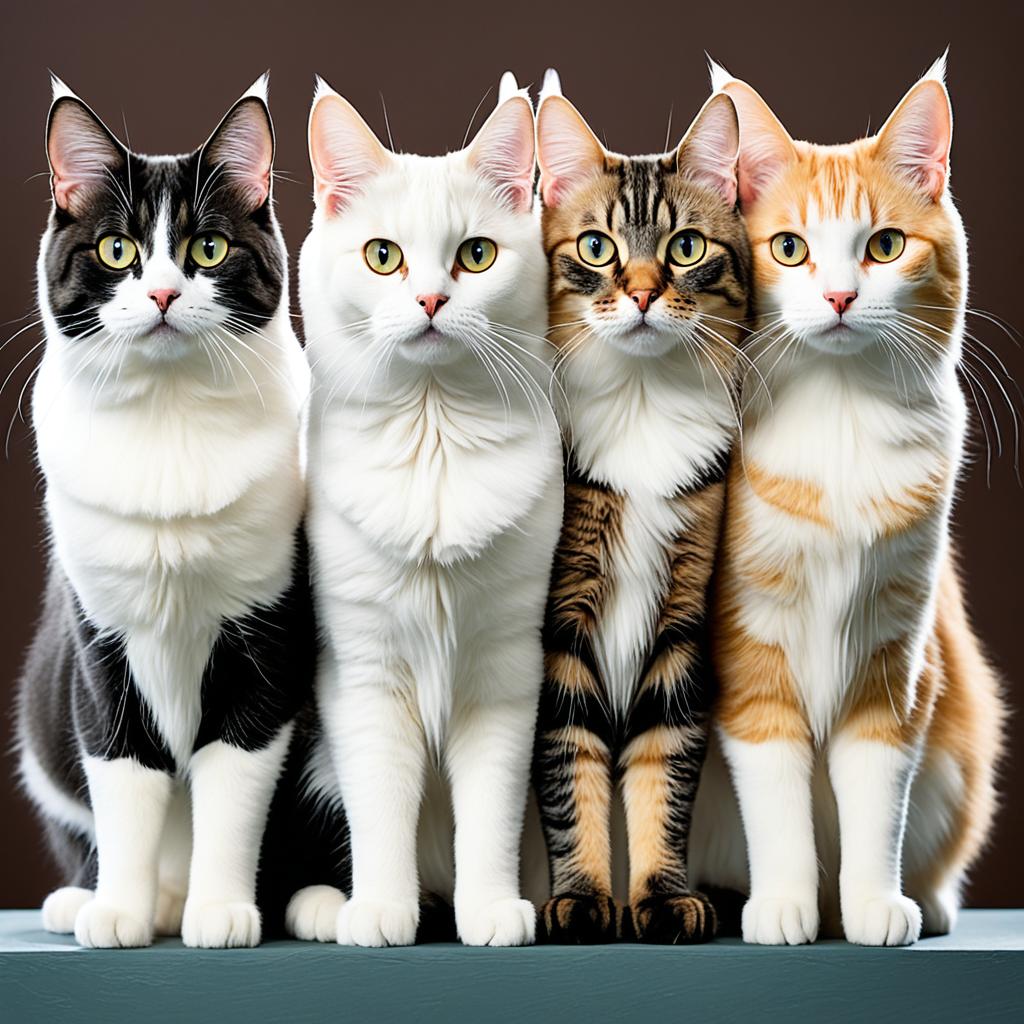
The Manx cat boasts a unique appearance, often characterized by the absence of a traditional tail in some cats, earning them delightful nicknames like “Stubbin” and “Rumpy.” Wondering How Big Can a Manx Cat Get? Typically, adult Manx cats fall within a modest Manx Cat size range of 7-13 pounds and can live comfortably for about 12-16 years, providing their company for many joyful years. Manx cats frequently exhibit endearing behaviors akin to those of dogs, displaying a playful and sociable attitude, making them a hit in any household.
“Despite being a medium-sized breed, their powerful hind legs give them an appearance of formidable athletic ability.”
Don’t let their size fool you! In addition to their charming temperament, Manx cats have historically been revered for their hunting prowess, acting not only as loving companions but also as efficient pest controllers. These agile feline friends stand out for their strong hind legs, making them impressive jumpers and adding a certain je ne sais quoi to their athletic look.
In short, the Manx cat is a delightful bundle of agility, intelligence, and affection. Within the typical Manx Cat size range, you’ll find these little hunters serve as energetic companions, always ready for both play and snuggles, making them a unique and desirable addition to any home.
Understanding Manx Cat Size

Manx cats are the epitome of agility, with their petite stature playing a pivotal role. Let’s delve deeper into what constitutes the size of these charismatic felines.
Average Height
Typically, Manx cats stand about 10 to 14 inches tall, which offers them an ideal balance between agility and strength. This height is a key factor in their natural ability to hunt and navigate their surroundings with ease.
Average Weight
When it comes to weight, the Average Manx Cat weight ranges from about 7 to 13 pounds. This weight range ensures they maintain agility and robust health, assuming they are not overfed. Male Manx cats may exhibit slightly jowlier features compared to females, indicative of their solid build.
| Trait | Details |
|---|---|
| Average Height | 10 to 14 inches |
| Average Manx Cat weight | 7 to 13 pounds |
| Largest Manx Cat breed | Exceeds 13 pounds |
Additionally, the body shape of the Manx cat from rump to shoulder presents a muscular yet rounded silhouette, providing the robust and agile physique they are well-known for.
How Big Can a Manx Cat Get?

The largest Manx Cat breed can reach upwards of the 13-pound mark, but don’t confuse this with overweight or obesity. Unlike other breeds, the Manx cat’s sturdy and rounded appearance stems from their genetics, not excess weight. While genetics play a pivotal role, maintaining optimal health is equally crucial in determining a Manx cat’s size.
Size alone isn’t enough to gauge the health of your feline friend. A healthy Manx should have a solid backbone and a robust build, attributes that differentiate the Largest Manx Cat breed from its less healthy counterparts. To nail down the right size, consider both genetics and health-related factors, ensuring your Manx is both well-proportioned and robust.
For a succinct Manx Cat size comparison, understanding what contributes to size variation is key. Genetic predisposition often dictates the maximum size while proper health measures ascertain a steady growth curve. Regular vet check-ups ensure that size enhancements are due to good health, not looming obesity concerns. Therefore, whether you’re measuring up to know where your cat stands, balance is the name of the game.
A brief look at the Largest Manx Cat breed and Manx Cat size comparison reveals fascinating insights:
| Aspect | Details |
|---|---|
| Largest Size | 13 pounds+ |
| Typical Build | Sturdy and Rounded |
| Genetics or Health? | Both Play Crucial Roles |
Factors Affecting Manx Cat Size

Understanding what influences the size of a Manx cat involves looking at both genetics and nutrition. Let’s dive into these critical factors.
Genetics
Genetics play a pivotal role in determining the Manx Cat size range. The varied expressions of the tail gene can lead to different sizes and even potential skeletal malformations in some cases. Historically, the breed has been known for its diversity, from completely tailless to full-tailed, each influencing the overall body size in different ways.
Diet and Nutrition
Another major factor affecting Manx Cat size is diet and nutrition. A well-balanced diet comprising real meat or fish as the main ingredient is essential for maintaining their athletic physique. Proper nutrition supports their high energy levels, ensuring they remain agile and healthy. Keeping a close eye on calorie intake and providing a high-quality diet is crucial to prevent any weight-related issues that could compromise their activity level and overall well-being.
Growth Stages of Manx Cats
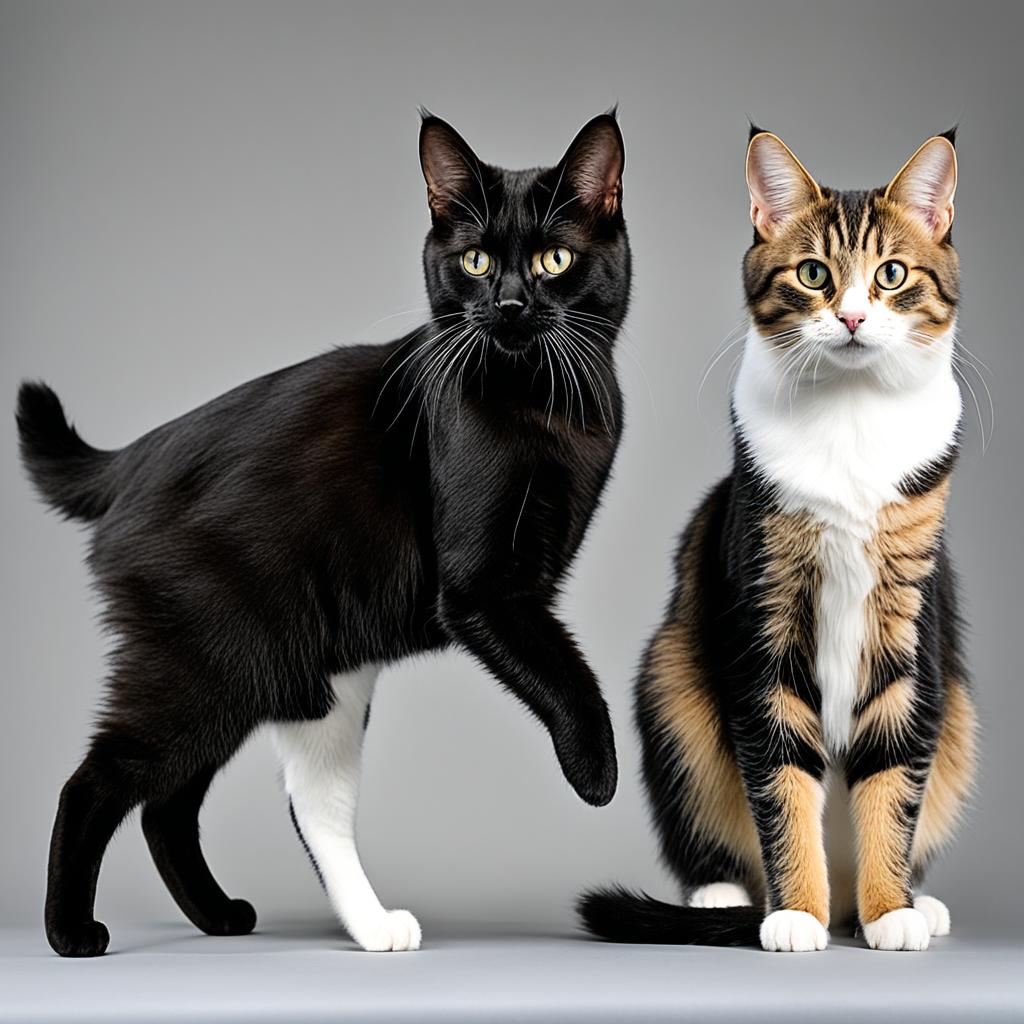
Understanding the Manx Cat growth process involves recognizing two key stages: the kitten stage and the adult stage. Both stages play crucial roles in defining how your Manx cat will develop and what to expect along the way.
Kitten Stage
During the kitten stage, Manx Cat growth occurs at a rapid pace. This period is marked by significant physical development, where rich nutrition is vital to support the growth of muscles and bones. Proper care and diet during this stage lay the foundation for a healthy adult cat. You can observe quick changes and must ensure your kitten is getting the right balance of nutrients. Remember, early development is key to future health.
Adult Stage
As your Manx cat transitions from kitten to adult, their growth rate slows considerably. The focus shifts towards maintaining a healthy weight and overall well-being. It’s essential to adjust their diet and activity level accordingly to prevent obesity and related health issues. How to estimate Manx Cat size during this stage involves regular monitoring and adjustment to their feeding and exercise routines. Ensure that your feline’s diet is balanced and engage them in physical activities to keep them fit and healthy.
Manx Cat Size Chart

Tracking your feline’s growth is essential in ensuring they maintain a healthy size. Utilizing a Manx Cat size chart can be immensely helpful. You might wonder, How Big Can a Manx Cat Get? Well, that largely depends on various factors, but keeping an eye on their measurements is a great place to start.
By regularly measuring your Manx cat’s height and weight, you can track their growth patterns and make necessary adjustments before any issues arise. During the kitten stage, rapid growth means frequent monitoring is beneficial. As they transition into adulthood, continued use of the Manx Cat size chart remains invaluable for confirming that your pet stays within a healthy range.
Here’s a sample size chart to guide you:
| Age (Months) | Height (Inches) | Weight (Pounds) |
|---|---|---|
| 1 | 3-4 | 0.5-1 |
| 3 | 5-6 | 2-3 |
| 6 | 6-8 | 4-5 |
| 9 | 8-10 | 6-8 |
| 12 | 10-12 | 7-13 |
Of course, every Manx cat is unique. If you ever find yourself asking again, How Big Can a Manx Cat Get?, remember to consult your size chart and keep those measurements current. This proactive approach ensures that your Manx cat leads a healthy and happy life.
Manx Cat Size Comparison with Other Breeds

When conducting a Manx Cat size comparison with other breeds, you quickly realize that they hold their own as a medium-sized feline. Unlike many of their feline counterparts, Manx cats often display broader chests and stronger hindquarters. This unique anatomy doesn’t just provide a visual appeal but gives them a distinct edge in agility and athleticism.
| Breed | Average Weight (lbs) | Average Height (inches) | Distinctive Features |
|---|---|---|---|
| Manx | 7-13 | 10-14 | Powerful hind legs, broad chest |
| Siamese | 6-14 | 8-12 | Slender build, triangular face |
| Maine Coon | 10-25 | 10-16 | Large size, tufted ears |
| Bengal | 8-15 | 8-10 | Spotted or marbled coat, muscular |
As illustrated, the Manx Cat size range falls well within the medium category but with a build that supports remarkable physical performance. This distinctive structure makes the Manx stand out not only visually but also in terms of capability, especially when matched against breeds with different physical prowess.
Health Implications of Manx Cat Size
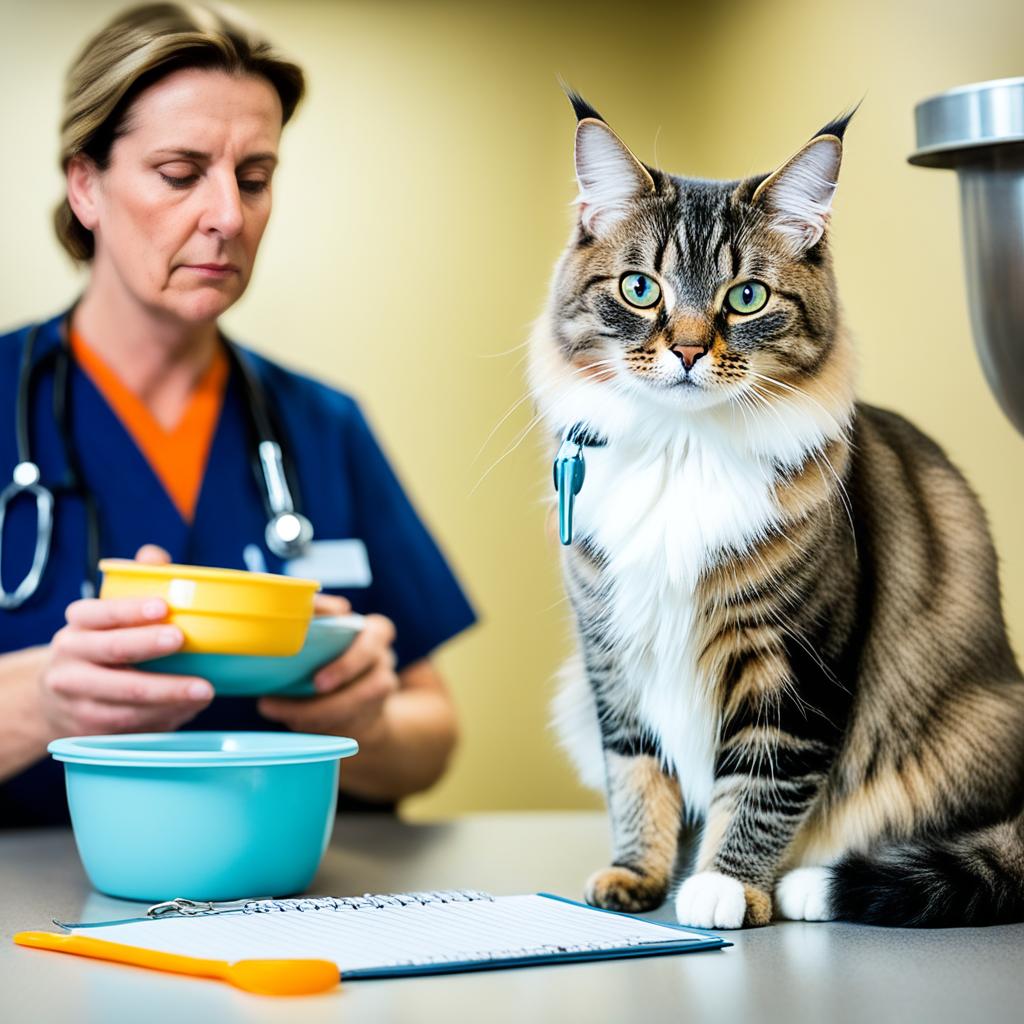
The unique body structure and size of Manx cats can lead to specific health implications that you should be aware of as a responsible owner. Their distinctive genetic makeup not only contributes to their adorable appearance but also introduces certain risks.
Common Health Concerns
Manx cats are prone to Manx syndrome, which involves spinal issues that can result in physical complications. This syndrome is directly tied to the traits that define their size and overall growth. Apart from spinal concerns, you should also watch for skeletal issues and urinary tract diseases, often related to their genetic structure.
Exercise Needs
To mitigate some of the health implications of Manx Cat size, regular exercise is paramount. Active play helps manage weight-related problems and supports overall well-being, ensuring your Manx remains both fit and healthy. Incorporating exercise into their routine not only benefits their health but also enhances their playful and energetic nature.
How to Estimate Your Manx Cat’s Size

Understanding your Manx cat’s size can be an exciting journey, and knowing how to do it effectively is crucial. Here’s a guide to help you get an accurate measurement and ensure your cat grows healthily.
Using a Growth Chart
A Manx Cat size chart can be an essential tool for this task. Regularly tracking your cat’s height and weight against the chart gives you valuable insights into their development. This method allows you to catch any growth abnormalities early and adjust their diet and activity levels accordingly.
- Measure your cat’s height from the floor to the top of its shoulders.
- Weigh your cat periodically using a reliable scale.
- Compare your cat’s measurements with the size chart to ensure they fall within the expected range.
Consulting with a Veterinarian
If precision is what you’re after, consulting with a veterinarian is indispensable. A vet can provide a comprehensive assessment of your cat’s overall health and growth patterns, going beyond what you can observe. By collaborating with your vet, you can tailor the Manx Cat size chart specifically to your pet’s needs and gain peace of mind about their proper development.
| Age | Expected Height | Expected Weight |
|---|---|---|
| 3 months | 5-7 inches | 2-4 lbs |
| 6 months | 7-9 inches | 4-6 lbs |
| 1 year | 10-12 inches | 7-9 lbs |
| 2 years | 11-14 inches | 8-11 lbs |
Conclusion
Manx cats are nothing short of a delight, boasting a fascinating blend of unique physical features and dynamic personality traits. While they can reach impressive sizes, understanding just how big can a Manx cat get requires a keen eye on factors like genetics, diet, and exercise. Your knowledge of the Manx cat size guide aids in providing the best possible care for these wonderful felines.
When you take the time to monitor their growth stages, maintain a healthy diet, and incorporate sufficient exercise, you’re setting your Manx cat up for a life of health and happiness. Remember that each cat has its own unique growth pattern, making it crucial to stay attuned to individual needs and characteristics. Consulting a veterinarian for personalized advice remains a valuable practice to ensure your cat’s well-being.
Whether you’re intrigued by their athletic abilities or their charming lack of a traditional tail, Manx cats are truly a breed apart. Equip yourself with the right information and stay proactive about their health, and you’ll enjoy the companionship of your agile and affectionate Manx cat for many joyful years to come. Embrace their quirks and capabilities, and you’ll never have to wonder how big your Manx cat can get again.
FAQ
How big can a Manx cat get?
A Manx cat typically reaches a size that ranges from 7 to 13 pounds in weight. They stand about 10 to 14 inches in height, making them medium-sized with a robust, muscular build.
What factors influence the size of a Manx cat?
Genetics and diet play significant roles in determining a Manx cat’s size. Good nutrition and genetic makeup are crucial for achieving their natural athletic physique and avoiding obesity.
How does the size of a Manx cat compare to other cat breeds?
Compared to other breeds, Manx cats are medium-sized but distinguished by their strong hind legs and rounded, muscular build. They may appear more robust and athletic compared to other cats within the same size range.
What is the average weight for an adult Manx cat?
The average weight for an adult Manx cat is between 7 and 13 pounds. This range ensures they remain agile and fit, avoiding excess weight that could lead to health issues.
At what stage do Manx cats stop growing?
Manx cats grow rapidly during the kitten stage and continue developing until they reach adulthood. By around 12 to 18 months old, their growth rate slows down and stabilizes.
How can I estimate my Manx cat’s size as it grows?
You can estimate your Manx cat’s size by regularly measuring and comparing its height and weight against a standard Manx cat size chart. Consulting with a veterinarian can also provide professional insight.
Do Manx cats require special exercise due to their size?
Yes, due to their robust build and high activity level, Manx cats benefit from regular exercise. This helps to manage their weight and supports overall well-being, reducing the risk of health issues like obesity and skeletal problems.
Are there any common health concerns associated with the size of Manx cats?
Manx cats may face health concerns such as Manx syndrome, which is linked to their unique skeletal structure. Monitoring their weight and health, alongside regular vet check-ups, can help mitigate these risks.
What should I feed my Manx cat to support their growth and size?
A balanced diet rich in real meat or fish is ideal for supporting the athletic build of a Manx cat. Ensuring they have proper nutrition helps maintain a healthy weight and promotes muscle development.
Can I use a growth chart to track my Manx cat’s development?
Absolutely! A Manx cat size chart can be a useful tool for tracking your cat’s growth from kitten to adult. Regular measurements of weight and height compared against the growth chart will help ensure your cat is developing healthily.


