
Is your vet genuinely equipped to manage the unique quirks of your Oriental Shorthair Cat? With their diverse colors, lively personalities, and distinct vocalizations, these Siamese hybrids require a specialized health care provider. The question is, does your vet understand breed-specific conditions like Amyloidosis, Pica, and Hereditary Retinal Degeneration? Selecting the appropriate vet is crucial in addressing these needs to ensure your feline friend thrives for their full lifespan of 12-15 years.
Key Takeaways
- Consider vets familiar with specific Oriental Shorthair Cat health care provider needs.
- Breed-specific conditions like Amyloidosis and Pica require specialized attention.
- Your vet should be able to manage the breed’s vibrant and social personality.
- Regular health check-ups tailored to breed predispositions are essential.
- Choose a vet who respects and responds to your cat’s unique vocalizations and behavior.
Understanding the Unique Needs of Your Oriental Shorthair Cat

Recognizing the unique requirements of your Oriental Shorthair cat is vital for ensuring their overall well-being. These fascinating felines, known for their affectionate and lively nature, have specific health, dietary, and behavioral needs that must be understood and addressed.
Common Health Issues
Oriental Shorthair cats are predisposed to certain health issues such as Amyloidosis, Pica, and Hereditary Retinal Degeneration. It is imperative to seek Oriental Shorthair Cat veterinarian tips from a vet who is knowledgeable in diagnosing and treating these Oriental Shorthair Cat specific health problems. Early detection and regular health check-ups can go a long way in managing these conditions effectively.
Nutritional Tips
Given their energetic temperament, Oriental Shorthair cats require a well-balanced diet to maintain their slender physique. Controlled feeding is essential to prevent obesity, ensuring they get the right amount of nutrients without overindulging. Consult your vet for Oriental Shorthair Cat veterinarian tips tailored to their needs, focusing on high-quality protein sources and balanced meals to support their active lifestyle.
Behavior and Temperament Considerations
Oriental Shorthair cats are known for their interactive and social behavior, often expressing themselves through honking vocalizations and curious antics. Understanding these behavioral traits is crucial for providing a nourishing environment. Vets should offer guidance on managing their need for attention and mental stimulation, ensuring they remain happy and healthy. Knowing how to address these aspects can contribute to a well-rounded care regimen that enhances both physical and mental health.
What to Look for in a Vet for Oriental Shorthair Cats

When finding a vet for Oriental Shorthair Cat, it’s crucial to seek out someone with familiarity in the breed’s unique health quirks. These vibrant yet delicate felines require a practitioner who not only understands the specifics of their predispositions but also knows how to handle their social and vocal nature.
Look for a vet who offers personalized care plans, tailored to your cat’s nutritional needs and behavioral management. Regular preventive measures are significant in catching early signs of breed-specific conditions like Amyloidosis or Hereditary Retinal Degeneration. The ideal vet will suggest proactive steps rather than reactive solutions, enhancing the quality of your pet’s life from the get-go.
Moreover, consider a practitioner who engages positively with your Oriental Shorthair. Cats of this breed are known for their sensitive and affectionate demeanor, and having a vet who respects and nurtures this can make visits less stressful. In essence, the right vet should provide a comforting atmosphere, ensuring your feline friend feels secure and welcomed.
- Personalized care plans that address nutrition and behavior
- Regular preventive measures to catch unique health issues early
- A positive engagement approach to reduce stress during visits
Let’s face it, your Oriental Shorthair deserves a vet who ticks all these boxes, combining medical expertise with a compassionate touch. By focusing on these aspects, you’ll make finding a vet for Oriental Shorthair Cat easier and ensure long-term well-being for your furry companion.
Importance of Experienced and Knowledgeable Veterinarians
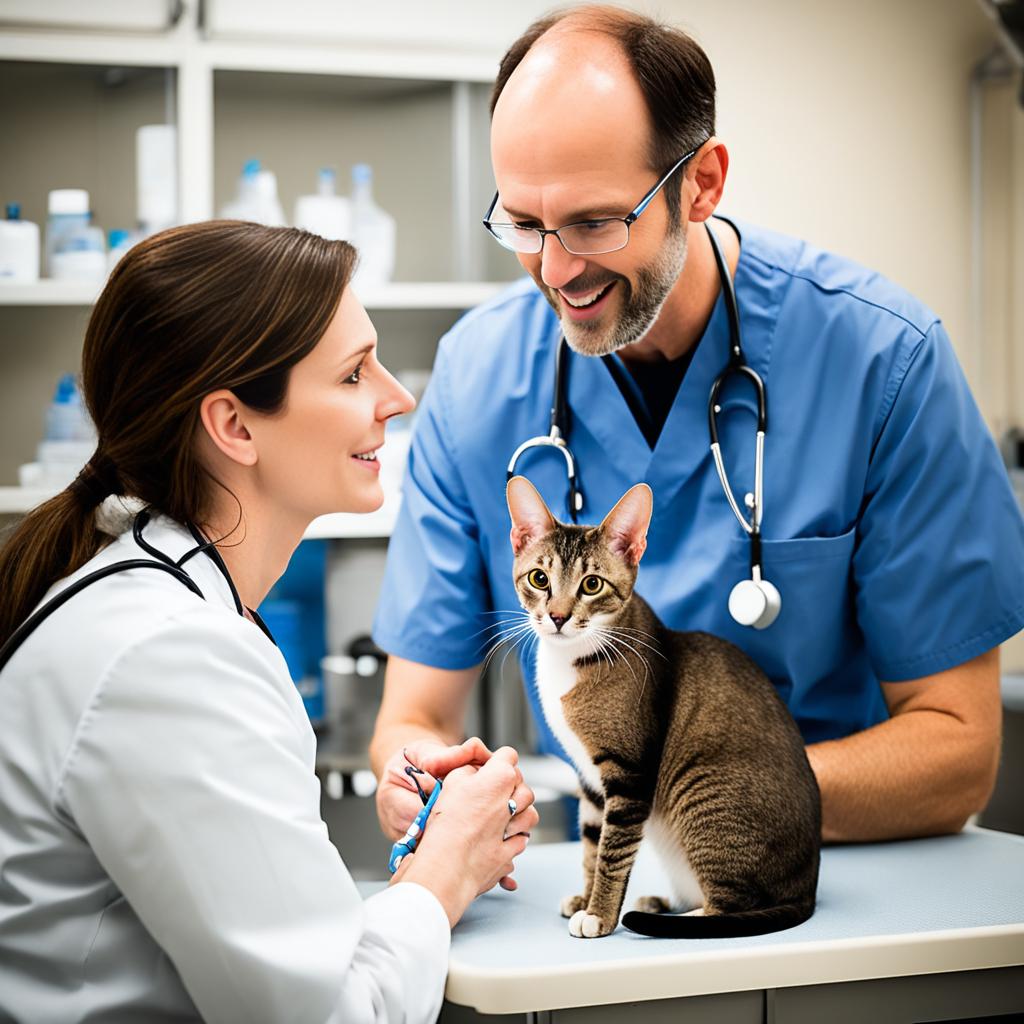
Oriental Shorthair Cats deserve the best, and that begins with selecting the right vet. A skilled vet with a solid background in feline medicine, especially for specific breeds, is paramount. Here’s why experienced and knowledgeable vets are your best alley in ensuring your kitty’s health.
Training and Education
First, it’s essential to consider the vet’s training and education. An understanding of the specific physiological and genetic needs of Oriental Shorthair cats can make all the difference. Ensure your vet has continuous training credentials and keeps up with the latest advancements in feline health. This knowledge is critical for managing conditions such as Amyloidosis effectively.
Specializations in Feline Medicine
Specialized knowledge in feline medicine goes beyond standard veterinary care. When making an Oriental Shorthair Cat vet selection, look for those who focus on feline genetics and physiology. A practice committed to these specialties will provide tailored care designed for the unique needs of your Oriental Shorthair. This includes nuanced understanding of their behavior, ensuring both their physical and emotional well-being are catered for.
| Consideration | Why It Matters |
|---|---|
| Continuous Training | Keeps vets updated on the latest feline health practices, crucial for early detection of breed-specific ailments. |
| Feline Medicine Specialization | Provides targeted care for specific genetic and physiological needs of Oriental Shorthair cats. |
| Behavioral Understanding | Ensures the cat’s personality and temperament are professionally managed during visits, reducing stress for your pet. |
Ensuring your vet’s credentials align with these priorities can make all the difference in maintaining your cat’s health. Remember, the best vet for Oriental Shorthair Cat is one who combines deep medical knowledge with a passion for feline care.
How to Choose the Right Vet for Your Oriental Shorthair Cat?

Choosing the right vet for your Oriental Shorthair Cat can feel like navigating a maze. With their unique health quirks and bubbly personalities, it’s crucial to find a vet who’s familiar with their needs. When selecting a vet for Oriental Shorthair Cat, consider the following:
- Location and Availability: Think local and consider vets who can be reached easily during emergencies.
- Expertise in Feline Medicine: Your ideal vet should have a forte in feline health, with a portfolio that includes Oriental Shorthair Cat veterinarian tips. A specialist understanding of genetic health risks like Amyloidosis and Pica is a bonus.
- Approach to Preventive Care: A proactive vet who emphasizes regular health screenings and bespoke care plans tailored to your cat’s quirks can be a game-changer.
The quest for selecting a vet for Oriental Shorthair Cat shouldn’t end with expertise. Building a rapport between the vet and your furry friend is indispensable. You want a vet who feeds your cat’s curiosity and handles their vocal ‘honks’ with grace. Remember, a well-selected vet is not just a cat doctor but a partner in your feline’s health journey.
Evaluating Vet Clinics for Your Oriental Shorthair Cat

Selecting the right clinic for your Oriental Shorthair Cat can be a daunting task, but it’s essential to ensure your furry friend gets the best care possible. Evaluating clinics involves several factors that directly impact the quality of vet services for Oriental Shorthair Cats.
Clinic Environment and Equipment
First impressions matter, especially when it comes to the clinic environment. An environment specifically tailored for cats can significantly reduce stress for your Oriental Shorthair Cat. Look for clinics that offer a calm, cat-friendly atmosphere, which could include feline-only waiting areas and examination rooms. Moreover, the right equipment is crucial. Ensure the clinic has advanced diagnostic tools and treatments for Oriental Shorthair Cat health issues such as Amyloidosis.
Staff Friendliness and Professionalism
The clinic staff plays an influential role in your cat’s healthcare experience. Friendly and professional staff not only make visits more pleasant but also contribute to effective communication regarding your cat’s health. A staff that genuinely cares for your Oriental Shorthair Cat’s well-being helps create a supportive environment, making them a trusted Oriental Shorthair Cat health care provider. The right clinic will have a team that is both warm and knowledgeable, ensuring every visit is as stress-free as possible.
Preferred Vet Services for Oriental Shorthair Cats
When considering the best vet services for Oriental Shorthair Cat, it’s essential to find a veterinary practice that recognizes their distinctive traits. Routine health evaluations tailored to their breed-specific needs are crucial for these felines.
The following services should be a priority:
- Tailored vaccination schedules: Ensure immunizations are appropriate for their unique health profiles.
- Regular check-ups for breed-specific conditions: Address issues like Amyloidosis and Pica proactively.
- Dietary counseling: Maintain their slender figure while promoting overall health.
Additionally, look for services geared towards enhancing their overall well-being, including:
- Dental care: Preventive care to avoid common oral issues.
- Behavior consultations: Guidance to manage their interactive and talkative nature.
- Preventative screenings: Early detection of genetic predispositions for long-term health benefits.
By leveraging these comprehensive vet services, you ensure that your Oriental Shorthair enjoys a healthy, vibrant life with fewer health complications.
Ensuring the Vet is Familiar with Oriental Shorthair Specific Health Problems

Choosing the right vet for your Oriental Shorthair Cat means ensuring they have extensive knowledge of breed-specific health issues. This expertise can significantly impact the longevity and quality of life for your feline companion.
Knowledge of Amyloidosis
Amyloidosis is a condition where abnormal protein deposits accumulate in the organs, which can be fatal if not managed properly. Your vet should be skilled in diagnosing symptoms early and providing the necessary treatment to mitigate its impact.
Understanding Pica
Pica, a behavioral issue where cats eat non-food items, can be particularly concerning in Oriental Shorthairs. Vets armed with effective Oriental Shorthair Cat veterinarian tips can help identify the underlying causes, such as dietary deficiencies or stress, and offer practical solutions.
Expertise in Hereditary Retinal Degeneration
Hereditary Retinal Degeneration leads to progressive vision loss and requires timely intervention. A vet with specialized knowledge about this condition can offer advanced diagnostics and recommend treatments to preserve your cat’s vision as much as possible.
By focusing on Oriental Shorthair Cat specific health problems, knowledgeable and experienced veterinarians can provide the comprehensive care your cat deserves. Regular check-ups and preventive measures, driven by an in-depth understanding of these issues, are essential for maintaining your Oriental Shorthair’s overall well-being.
Cost Considerations When Selecting a Vet

When finding a vet for your Oriental Shorthair Cat, it’s essential to consider costs carefully. Balancing affordability with quality health care is key to ensuring your feline friend receives the best possible treatment without breaking the bank.
Routine Check-ups and Vaccinations
Routine check-ups and vaccinations are fundamental aspects of your cat’s health regime. It’s crucial to research and compare pricing for these services across different veterinary clinics. By investing in regular health screenings, you can prevent many common health issues and catch potential problems early. While some vets may have higher prices, those rates often reflect the quality and comprehensiveness of their services.
Emergency Services
The unpredictability of emergencies makes it imperative to consider the cost of emergency services when selecting a vet for your Oriental Shorthair Cat. While it’s tempting to choose the most affordable option, remember that high-quality emergency care can make a significant difference in dire situations. Balancing cost with the expertise and readiness of the vet to handle emergencies is a wise strategy. Investigate whether your veterinary clinic offers 24/7 emergency services and what the associated costs are, ensuring your Oriental Shorthair receives prompt and effective care when needed.
| Service | Typical Cost | Considerations |
|---|---|---|
| Routine Check-up | $50 – $100 | Essential for preventive care |
| Vaccinations | $15 – $45 per shot | Scheduled annually |
| Emergency Visit | $200 – $500 | Consider 24/7 service |
Seeking Recommendations for the Best Vet for Your Oriental Shorthair Cat

Choosing the right veterinarian for your Oriental Shorthair cat can be challenging, but recommendations from trusted sources can make the process smoother. Start by asking those closest to you, like friends and family. Their firsthand experiences can provide invaluable insights.
Asking Friends and Family
Your inner circle often holds the key to finding the right vet services for Oriental Shorthair Cat. Friends and family members who own pets, particularly Oriental Shorthairs, can share which vets they’ve had positive experiences with. Their stories and feedback can highlight a vet’s expertise and demeanor, giving you a solid starting point.
Reading Online Reviews
If personal recommendations are sparing, dive into online reviews. Websites like Yelp, Google Reviews, and local pet forums host a plethora of opinions from fellow pet owners. Pay close attention to reviews that mention Oriental Shorthair Cat vet selection, as these are likely to be the most relevant. Detailed experiences shared by other cat owners can help you gauge the level of care and vet services for Oriental Shorthair Cat offered by various clinics.
Building a Long-term Relationship with Your Vet

Developing a lasting bond with the best vet for your Oriental Shorthair Cat is a crucial step in ensuring their overall health and happiness. Let’s be honest, owning an Oriental Shorthair is like dealing with a furry enigma. Their distinctive temperament, combined with their specific health needs, calls for a vet who understands them inside and out.
When figuring out how to choose the right vet for your Oriental Shorthair Cat, it is essential to prioritize consistency. A vet who has a thorough understanding of your cat’s medical history, as well as their behavioral quirks, will be better equipped to provide personalized care plans that evolve with your pet’s needs over time.
The relationship with your vet should go beyond just medical check-ups. It’s about having an ally who can offer advice and support through various life stages. From kittenhood energy bursts to managing senior cat ailments, the best vet for Oriental Shorthain Cat is one who has been there from the start.
A dedicated vet offers preventive care strategies tailored to your Oriental Shorthair’s breed-specific risks. It’s like having your favorite superhero on speed dial—always ready to tackle Amyloidosis or provide tips for managing Pica and Hereditary Retinal Degeneration. This proactive care model means fewer health surprises and a happier, healthier kitty.
So, when pondering how to choose the right vet for your Oriental Shorthair Cat, remember that building a long-term partnership allows for better health monitoring and a more enjoyable vet experience. Consistent, well-informed care not only supports your cat’s physical health but also their emotional well-being.
Here’s a quick snapshot of what makes an ideal vet relationship tick:
- Deep understanding of breed-specific health issues
- Consistent, personalized care plans
- Proactive preventive care strategies
- Support through every life stage
- Strong communication and trust
Creating a bond with your vet is about more than just medical expertise; it’s about establishing a trustworthy partnership that grows with your Oriental Shorthair. And trust us, when you see your feline purrfectly happy and healthy, you’ll know you’ve found the best vet for Oriental Shorthain Cat in town!
- Initial Health Assessments
- Regular Check-ups and Immunizations
- Breed-Specific Screenings
- Behavioral and Nutritional Guidance
- Emergency Care and Long-term Health Strategies
Conclusion
In summing up, knowing how to choose the right vet for your Oriental Shorthair Cat is crucial for their overall health and happiness. These charming felines with their unique quirks and specific health needs demand a vet who understands them inside and out. This means that a little homework on your part can go a long way: investigate each vet’s expertise, facilities, and approach to feline care.
By weighing all factors like costs, community recommendations, and the clinic’s environment, you’ll be better equipped to make an informed choice. Your Oriental Shorthair will benefit immensely from a vet who is not only skilled but also compassionate and committed to the breed’s well-being. Personalized care plans, breed-specific check-ups, and expert advice on nutrition and behavior are all part of what makes a potential vet the right fit.
Remember, building a long-term relationship with a vet experienced in Oriental Shorthair Cat vet recommendations can make a world of difference. A dedicated vet will become an invaluable partner in ensuring your Oriental Shorthair lives a healthy, vibrant life, tailored to their unique needs and delightful personality.
FAQ
Why should I choose a vet specifically experienced with Oriental Shorthair cats?
Oriental Shorthair cats have unique health needs and a distinctive temperament that require specialized knowledge. A vet familiar with their specific issues, like Amyloidosis, Pica, and Hereditary Retinal Degeneration, can provide better care and prevent potential health problems.
What common health issues should I be aware of for my Oriental Shorthair cat?
Oriental Shorthair cats are prone to certain health conditions such as Amyloidosis, Pica, and Hereditary Retinal Degeneration. Knowing these issues helps in early detection and preventive care.
What nutritional tips should I follow for my Oriental Shorthair cat?
Given their energetic temperament and slender figure, controlled feeding with a balanced diet is crucial. Your vet can recommend specific nutritional plans to maintain optimal health.
How does the behavior and temperament of an Oriental Shorthair cat affect vet visits?
Oriental Shorthair cats are social and talkative, often with vocalizations resembling “honks.” Choosing a vet who respects and can handle their interactive nature is key to a stress-free experience.
What specific qualifications should I look for in a vet for my Oriental Shorthair cat?
Look for a vet with training and education in feline medicine, particularly one who specializes in feline genetics and physiology. Continuous education credentials are also a plus.
How important is clinic environment and equipment for my Oriental Shorthair cat?
A calm atmosphere and proper equipment tailored for cats are important to minimize stress during visits. The clinic should also be equipped to handle breed-specific health screenings and treatments.
What services are essential in a vet clinic for Oriental Shorthair cats?
Essential services include tailored vaccination schedules, regular check-ups for breed-specific conditions, dietary counseling, dental care, behavior consultations, and preventive screenings.
How can I ensure my vet is knowledgeable about Amyloidosis?
Ask your vet about their experience and training in diagnosing and treating Amyloidosis in cats. A vet well-versed in this area can provide better care for your Oriental Shorthair.
Why is understanding Pica important for my vet?
Pica, the tendency to eat non-food items, can be problematic. A knowledgeable vet can identify and manage this condition effectively, preventing potential health risks.
How crucial is it for my vet to have expertise in Hereditary Retinal Degeneration?
Early detection and management of Hereditary Retinal Degeneration are vital for maintaining your cat’s vision. Expertise in this area ensures your vet can provide the best care.
What cost factors should I consider when selecting a vet for my Oriental Shorthair cat?
Compare pricing for routine check-ups, vaccinations, and emergency services. While affordability is important, ensure the quality of care justifies the cost to avoid future expensive treatments.
How can personal recommendations help in finding the best vet for my Oriental Shorthair cat?
Recommendations from friends and family familiar with your cat’s needs can direct you to trusted vets. Online reviews also offer insights into others’ experiences with local veterinarians.
Why is building a long-term relationship with my vet important?
A consistent and knowledgeable vet can track your cat’s medical history, temperament, and breed-specific needs, resulting in better health outcomes and a happier, healthier cat.


