
Ever wondered why your Japanese Bobtail turns into a whirlwind of stress and destruction every time you leave home? Dealing with feline separation anxiety can be a daunting task, especially when your once playful Japanese Bobtail cat starts exhibiting signs of severe stress. The good news? Understanding the root causes and implementing effective strategies can transform your home into a peaceful haven for both you and your furry companion.
Key Takeaways
- Japanese Bobtail cats may exhibit separation anxiety through various behaviors.
- Common distress signals include destructive actions, loud vocalizations, and litterbox issues.
- Creating a safe space and using interactive toys can alleviate anxiety.
- Regular playtime and routine are crucial in managing cat anxiety.
- Recognize when professional help is required to address severe anxiety.
Understanding Japanese Bobtail Cat Behavior Issues
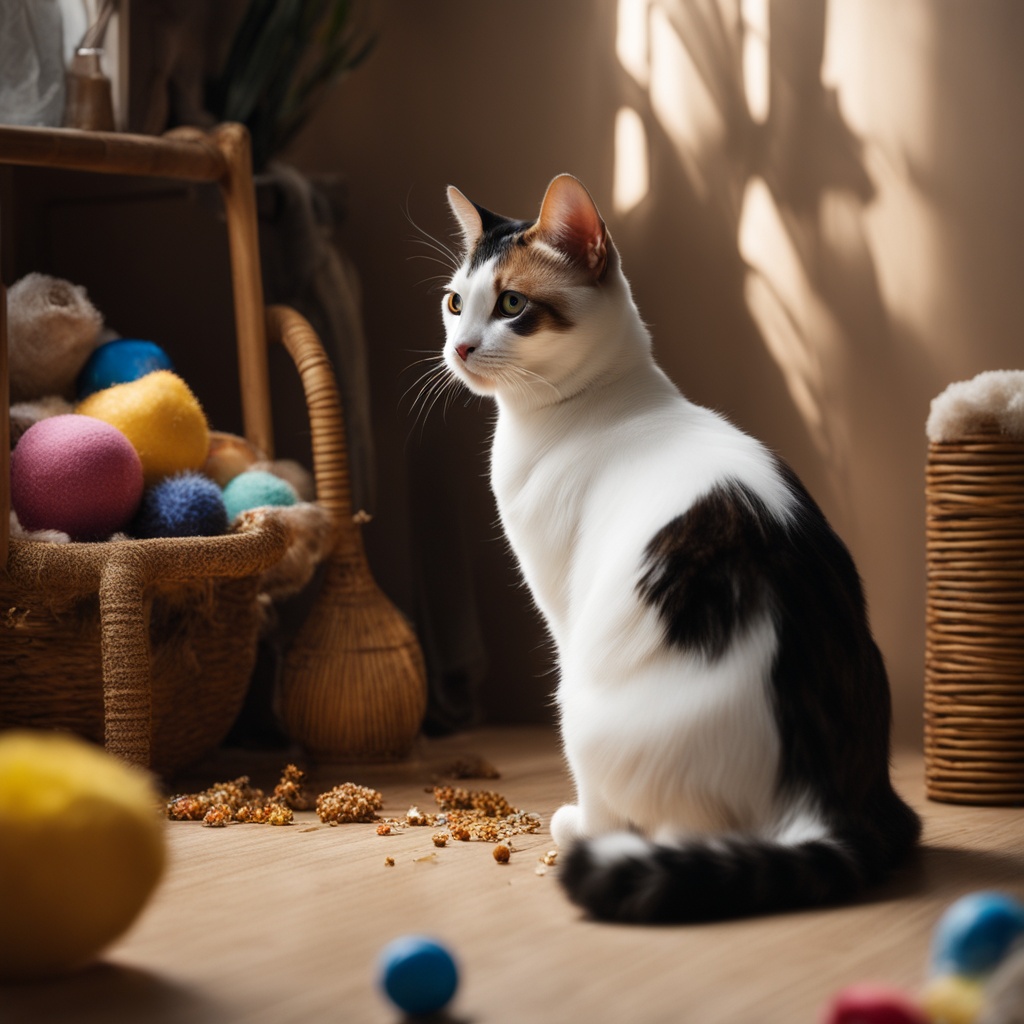
Japanese Bobtail cats, renowned for their playful nature and intelligence, can sometimes exhibit behaviors indicative of stress and anxiety. Recognizing these behaviors is crucial for maintaining a harmonious home environment.
Common Behavioral Symptoms
When dealing with Japanese Bobtail Cat Behavior Issues, you’ll notice some distinct symptoms. These felines may display destructive behavior, such as scratching furniture or knocking over objects. Distress vocalizations, including excessive meowing or yowling, are also common signs. Additionally, changes in litterbox habits, such as avoiding the litterbox altogether, could indicate underlying stress.
Causes of Separation Anxiety
Understanding cat stress involves identifying triggers that cause anxiety. Cat Separation Anxiety in Japanese Bobtails is often sparked by changes in their environment or routine. They thrive on consistency, so any deviation can leave them feeling insecure. Factors such as moving to a new home, changes in the household, or even alterations in your daily schedule can contribute to their anxiety.
Moreover, loneliness is a significant factor. Japanese Bobtail cats are known for their strong attachment to their human companions. Prolonged periods of solitude can lead to Japanese Bobtail Cat Behavior Issues and manifest in noticeable signs of stress and anxiety.
| Behavioral Symptoms | Possible Causes |
|---|---|
| Destructive Behavior | Changes in Environment |
| Distress Vocalizations | Altered Routines |
| Litterbox Issues | Loneliness |
Signs and Symptoms of Cat Separation Anxiety

Recognizing the signs of cat separation anxiety can be crucial in managing cat anxiety and ensuring the well-being of your feline friend. Understanding these symptoms allows you to take appropriate steps to help them feel more secure and less stressed.
Destructive Behaviors
Destructive behaviors are a significant indicator of stress in cats. Your cat may start scratching furniture, chewing on household items, or even knocking things over. These actions are not just random mischief but rather a clear sign of cat separation anxiety.
Distressed Vocalizations
Another telltale sign is distressed vocalizations. If your cat begins excessive meowing, yowling, or howling when you leave, it demonstrates the stress they feel. These vocalizations are their way of expressing distress and seeking your attention.
Changes in Litterbox Habits
Changes in litterbox habits can also signal separation anxiety. For instance, a cat dealing with stress may start urinating outside the litterbox. This behavior is often symptomatic of elevated stress levels in cats when separated from their human companions.
Identifying these signs of cat separation anxiety is the first step in managing cat anxiety effectively. By observing your cat’s behavior closely, you can take proactive measures to reduce their stress and enhance their overall well-being.
How to Handle Japanese Bobtail Cat Separation Anxiety?
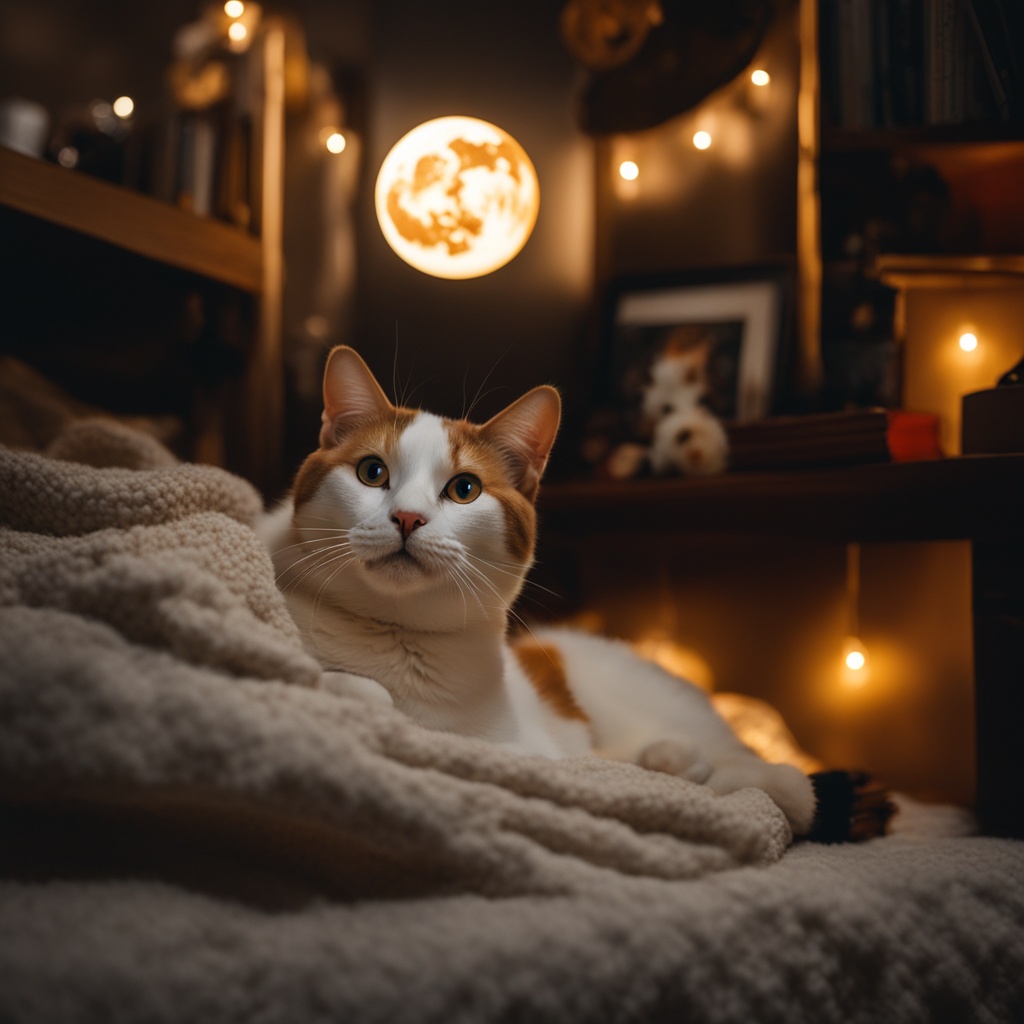
When it comes to knowing how to handle Japanese Bobtail cat separation anxiety, creating a secure and engaging environment for your feline friend is key. By implementing just a few straightforward strategies, you can greatly ease the anxiety your cat feels when left alone.
Creating a Safe Space
One of the most effective tips for cat separation anxiety is to create a safe space for your Japanese Bobtail. A calm, cozy area equipped with their favorite blanket or bed can work wonders. Make sure this area has some vertical space like shelves or a small cat tree, to let your kitty climb and watch the world from a comfortable vantage point. This sanctuary will act as a retreat, easing their mind while you’re away.
Using Interactive Toys
Interactive toys are a fantastic way to keep your feline pal engaged and mentally stimulated. Puzzle feeders and toys that mimic hunting can draw their attention away from your absence, thereby coping with cat anxiety more effectively. Also consider rotating toys to maintain their interest. Ensuring that these toys are available only when you’re leaving the house can make them extra special, giving your Japanese Bobtail something to look forward to.
Managing Cat Anxiety with Regular Playtime

Keeping your Japanese Bobtail entertained is key to reducing anxiety. Regular playtime for cats not only alleviates stress but also ensures they remain healthy and engaged. Incorporating play into your daily routine can work wonders for your furry friend’s mental well-being.
Benefits of Regular Play
Japanese Bobtail anxiety solutions often highlight the importance of play. Here are some benefits:
- Physical Exercise: Play helps your cat stay fit and agile, reducing stress-induced behaviors.
- Mental Stimulation: Engaging activities challenge your cat’s mind, keeping it sharp and focused.
- Emotional Bonding: Regular playtime strengthens the bond between you and your cat, providing comfort and security.
Types of Toys to Use
Selecting the right toys is crucial for managing anxiety in your Japanese Bobtail. Here are some top recommendations:
| Type of Toy | Description | Benefits |
|---|---|---|
| Interactive Toys | Toys that stimulate hunting instincts, like laser pointers and feather wands. | Enhances physical activity and mental stimulation. |
| Food-Puzzle Toys | Toys that dispense treats as your cat plays, like Kong toys. | Promotes problem-solving skills and rewards effort. |
| Automated Toys | Battery-operated toys that move or make noise. | Provides entertainment even when you’re not around. |
| Catnip Toys | Stuffed toys infused with catnip. | Can help reduce stress and stimulate playful behavior. |
By dedicating time each day to interactive play, you’ll find effective Japanese Bobtail anxiety solutions that benefit both you and your cat. Remember, regular playtime for cats is an investment in their happiness and yours.
Japanese Bobtail Anxiety Solutions: Calming Techniques

Helping your Japanese Bobtail manage anxiety involves a range of effective strategies, especially incorporating specialized products and natural remedies designed to calm anxious felines.
Using Calming Products
One of the most straightforward cat anxiety calming techniques involves using over-the-counter calming products. Feline pheromone sprays and diffusers, such as Feliway, replicate the comforting scents cats naturally use to relax. Additionally, calming collars infused with relaxing herbs can help reduce your cat’s stress levels.
Herbal Remedies
Another natural approach for alleviating cat anxiety lies in herbal remedies for cats. Herbs like chamomile and passionflower are known for their gentle sedative properties and can be administered in various forms, such as liquid drops or infused treats. These remedies provide a natural pathway to ease anxiety without the adverse effects that synthetic medications might introduce.
| Calming Technique | Benefits | Methods |
|---|---|---|
| Calming Products | Quick to Act, Easy to Use | Sprays, Diffusers, Collars |
| Herbal Remedies | Natural, Gentle Sedation | Chamomile, Passionflower |
Coping with Cat Anxiety: The Role of Environment

Managing cat anxiety involves understanding the distinctive needs of your Japanese Bobtail, particularly the importance of routine in cats and their need for an enriched environment. Implementing a structured daily schedule and providing mental stimulation can significantly alleviate their stress.
Importance of Routine
Cats are creatures of habit, and any disruption to their routine can lead to heightened anxiety. Ensuring a predictable daily schedule helps create a secure environment. This includes consistent feeding times, play sessions, and even regular nap spots. The importance of routine in cats cannot be overstated; it provides them with a sense of stability and reduces the chances of stress-induced behaviors.
Environmental Enrichment
Environmental enrichment for cats involves providing interactive toys, engaging activities, and suitable resting places. This can include puzzle feeders, scratching posts, and cat trees that allow them to climb and explore. By incorporating diverse stimuli, you not only keep your cat entertained but also reduce their anxiety levels.
| Enrichment Item | Description | Benefits |
|---|---|---|
| Puzzle Feeder | Distributes food when solved | Encourages problem-solving and slows eating |
| Scratching Post | Durable post for claw sharpening | Maintains claw health and marks territory |
| Cat Tree | Multi-level structure for climbing | Promotes physical activity and exploration |
By emphasizing the importance of routine in cats and focusing on environmental enrichment for cats, you create a more balanced and stress-free life for your Japanese Bobtail. These steps ensure your feline friend remains happy and healthy, even in your absence.
Tips for Cat Separation Anxiety: Training and Desensitization

Separation anxiety is tough on your furry friend, but fear not! With the right training tips for cat separation anxiety and effective desensitization techniques for cats, you can make a world of difference.
Gradual Departures
The art of gradual departures involves training your cat to feel comfortable during short periods of separation. Start by stepping out for a minute and gradually increase the time away. This will help your kitty to understand that you’ll always come back, minimizing their anxiety over time.
Providing Distractions
Provide distractions to keep your feline occupied while you’re away. Puzzle feeders brimming with treats or engaging toys can divert their attention and stimulate their minds. A busy cat is less likely to feel the pangs of separation anxiety.
When to Consult a Vet or Behaviorist

If you’ve tried every trick in the book and your Japanese Bobtail still seems to audition for the lead in an anxiety drama, it might be time to call in the professionals. Consulting a vet for cat anxiety can be crucial in identifying any underlying health issues that could be exacerbating your feline friend’s stress. A professional can offer a targeted approach that home remedies and well-meaning cuddles just can’t match.
Recognizing Severe Anxiety
Recognizing severe anxiety can feel like solving a feline mystery. Signs to watch out for include excessive grooming to the point of bald patches, hiding for extended periods, or consistent aggressive behavior. Your beloved kitty might also lose their appetite or, worse, develop unhealthy eating habits.
Professional Help Options
Seeking professional help for cat behavioral issues doesn’t mean you’ve failed as a cat parent. On the contrary, it shows your dedication to ensuring your Japanese Bobtail’s well-being. Professionals like veterinarians or certified animal behaviorists can offer various solutions tailored to your pet’s specific needs, from medical treatments to behavioral modifications. Consulting a vet for cat anxiety assures you and your purrfect companion are on the path to a happier, stress-free life.
Conclusion

By effectively managing cat anxiety, you can make a significant difference in your Japanese Bobtail Cat’s daily life. Recognizing signs of cat separation anxiety early and understanding their causes is essential for a harmonious household.
Implementing strategies such as regular playtime, maintaining a proper environment, and seeking professional advice when necessary, can significantly improve both your cat’s quality of life and your own peace of mind. A blend of love, attention, and informed care is key to soothing separation anxiety in your charming Japanese Bobtail.
About the Author
Rooted in the art of storytelling and driven by a passion for feline well-being, our author is a renowned professional copywriting journalist with extensive experience in the realm of cat behavior expertise. With a keen eye for detail and an empathetic understanding, they navigate the intricacies of feline anxiety, particularly focusing on unique breeds like the Japanese Bobtail.
The author’s journey is marked by numerous accolades and noteworthy contributions to acclaimed pet care publications. Their insightful articles are a staple in the pet care community, known for seamlessly blending wit and wisdom. By leveraging their profound knowledge, they offer practical, easy-to-implement solutions for managing cat anxiety, fostering a harmonious bond between you and your furry friend.
As someone who has spent years studying the nuances of cat behavior, our author brings a wealth of expertise to every piece they craft. Their unwavering commitment is to inform and uplift pet owners, ensuring that your beloved felines lead happy, stress-free lives. Rest assured, you’re in capable hands as you follow their sage advice on nurturing and understanding your Japanese Bobtail’s unique needs.
FAQ
What are common behavioral symptoms of separation anxiety in Japanese Bobtail cats?
Japanese Bobtails with separation anxiety often exhibit destructive behaviors like scratching furniture, distressed vocalizations such as excessive meowing or yowling, and changes in litterbox habits, including urinating outside the litterbox.
Why does my Japanese Bobtail exhibit separation anxiety?
Separation anxiety in Japanese Bobtail cats can be triggered by changes in their environment or routine, making them feel stressed and insecure. This breed is particularly attached to their human companions, leading to anxiety when left alone.
How can I create a safe space for my Japanese Bobtail when I’m not home?
To create a safe space, designate a quiet, cozy area with your cat’s favorite toys, a comfortable bed, and maybe a piece of your clothing to provide familiar scents.
What types of interactive toys are best for managing my cat’s anxiety?
Interactive toys like puzzle feeders, laser pointers, and feather wands are excellent for keeping your Japanese Bobtail mentally stimulated and less anxious while you’re away.
How does regular playtime help my cat’s anxiety?
Regular playtime helps burn off pent-up energy, keeps your cat physically fit, and provides mental stimulation, all of which contribute to reducing anxiety behaviors.
Are there natural remedies to calm an anxious Japanese Bobtail?
Yes, natural calming products like chamomile and passionflower can help soothe your cat’s nervous system. Always consult with your vet before introducing new remedies.
Why is maintaining a routine important for my cat’s mental health?
A consistent routine provides a sense of security and predictability for your Japanese Bobtail, which can significantly reduce stress and separation anxiety.
What are environmental enrichments and how do they help with cat anxiety?
Environmental enrichments include cat trees, scratching posts, and interactive toys. These items stimulate your cat’s instincts and keep them engaged, reducing anxiety.
How can gradual departures help with my cat’s separation anxiety?
Gradually increasing the time you spend away from your cat can help them get used to being alone without feeling abandoned. Start with short absences and slowly extend them.
When should I consult a vet or a cat behaviorist for my Japanese Bobtail’s anxiety?
If your Japanese Bobtail’s anxiety symptoms are severe and do not improve with home interventions, it’s advisable to consult a veterinarian or a cat behaviorist for specialized guidance.


