
Ever thought about the perfect way to litter train your Bengal cat?
It starts by understanding their need for cleanliness and a clean space for waste. Your Bengal cat’s hygiene is key for their health and your home’s harmony. By knowing their natural actions, placing a clean area for waste makes them and your space better off.
Key Takeaways
- Understanding your Bengal cat’s natural cleanliness is vital for effective litter training.
- A designated sanitary space helps maintain both your home’s and your pet’s hygiene.
- Recognizing instinctual behaviors can ease the training process.
- Prioritizing their hygiene creates a harmonious living environment.
- Successful litter training strengthens the bond between you and your Bengal cat.
Understanding Your Bengal Cat’s Natural Instincts
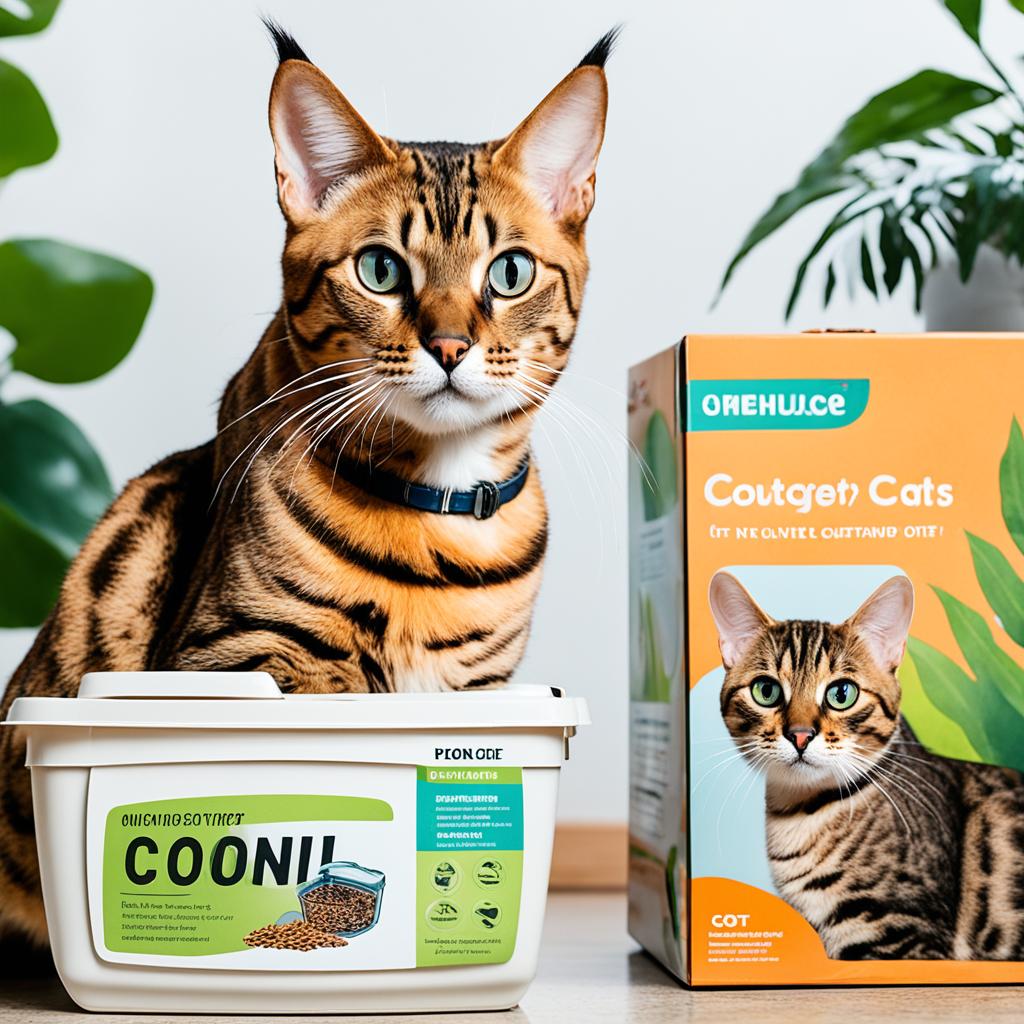
Understanding your Bengal cat’s instincts is crucial for training success. These cats have behaviors built inside them. Knowing these can help with their training.
Instinctual Behaviors Related to Elimination
Bengal cats love to keep clean. They hide their waste to stay safe, just like their wild relatives. The right type of litter is essential for them. It fulfills their need to cover their waste, making them more likely to use the litter box.
Importance of Hygiene for Cats
Cleanliness is very important for Bengal cats. They scratch to mark their space and feel confident. Having a clean house and many scratching posts helps. It makes them happier and can teach them to use the litter box well.
Choosing the Right Litter Box

Choosing the right litter box is crucial for Bengal cat potty training. It’s all about making your cat feel comfortable. Size and how easy it is to get in are important factors.
Size and Accessibility Considerations
A good litter box should be big enough for a Bengal cat to move freely. It’s best to have one with low sides for easy entry. This setup helps with their natural behaviors when they use it.
Covered vs. Uncovered Litter Boxes
The decision between a covered or uncovered litter box matters for Bengal cats. Covered ones offer privacy and limit smells but might not suit every cat. Some prefer open boxes for air and easier entry. Finding what your cat likes is key for success.
The perfect litter box, whether covered or not, is very important for potty training. It should be cozy and simple to use. This makes the training journey better for you and your Bengal cat.
Determining the Ideal Litter Box Location

Finding the best place for your Bengal cat’s litter box is key to its training. Ensure it’s easy for your cat to use but also feels safe. It should be quiet but not too hard to get to. Think about your cat’s instinct to protect its area. A calm spot makes your cat use it more without being too hidden.
Quiet and Accessible Areas
Bengal cats like their litter boxes in quiet places, away from noisy areas. Choosing a calm spot can reduce their stress and encourage them to use it often. Remember to keep it simple for your cat to reach, as cats like their private, peaceful spots. This is crucial for helping your Bengal cat learn its litter box routine.
Avoiding Placement Near Food and Water Bowls
It’s important not to put the litter box near where your cat eats and drinks. Cats prefer their bathroom far from their kitchen. By keeping these areas separate, your Bengal cat is likely to keep itself clean. It’s also smart to have a litter box on every floor of your home so it’s always nearby.
How to Train a Bengal Cat to Use a Litter Box?

Litter training sounds hard, but it’s not with the right steps. Bengal cats are smart and full of energy. They learn quickly if you approach this training well. Now, let’s tackle the details of teaching a Bengal cat to use the litter box.
Introducing Your Cat to the Litter Box
Start by showing the litter box to your Bengal. Let them check it out on their own. Remember to put the box in a quiet, easy-to-reach spot. This will help your cat feel comfortable using it. Don’t rush them. Let them get used to the litter by sniffing and pawing at it.
Utilizing Positive Reinforcement
For Bengal cats, praise and treats work wonders. When your cat uses the box, show them they did well. This creates a good habit. Do this each time to set it in their mind. Be consistent with this praise.
Establishing Consistent Feeding and Elimination Routines
Consistent food and bathroom times are very important. Feed your Bengal in the morning and night. This helps them know when to use the litter box. Also, keep their litter box in the same spot. This makes them more likely to use it.
Try these tips for a more organized approach to training:
| Training Step | Action | Tips |
|---|---|---|
| Introduce the Litter Box | Place in a quiet, accessible area | Allow exploration without pressure |
| Positive Reinforcement | Reward them after successful use | Keep treats handy |
| Consistent Routine | Feed at regular times | Create predictable bathroom habits |
Selecting the Best Cat Litter

Choosing the right litter is crucial for training a Bengal cat. These cats have unique tastes. Varying the litter types helps meet their needs.
Clumping vs. Non-Clumping Litter
Owners should lean toward clumping litter for Bengal cats. It solidifies when wet, easing cleanup. Non-clumping litter absorbs moisture but lacks clumps. It’s good for odor but needs more frequent changes. Both kinds have advantages for litter training a Bengal cat.
Natural and Biodegradable Options
For those who care about the environment, natural, biodegradable litters are ideal. They lessen your cat’s environmental impact and provide a natural bathroom choice. Unsurprisingly, these preferred unscented litters are also loved by Bengals, making their bathroom area more pleasant.
Following these best practices for litter training a Bengal cat benefits everyone. It makes the training easier for both cat and owner.
Maintaining a Clean Litter Box

Keeping the litter box clean is key to train a Bengal cat. They love a tidy area. A spotless box attracts them to use it right.
Daily Scooping and Litter Replacement
You must scoop every day. This keeps the litter fresh for your cat. Also, switch out the whole thing regularly to the right depth. It helps your Bengal cat feel comfortable burying their waste.
Regular Cleaning and Odor Control
Daily scooping is not enough. You must clean the box well weekly. Use mild soap. This effort makes your cat happy and your house smell good.
| Task | Frequency | Purpose |
|---|---|---|
| Scooping | Daily | Maintain cleanliness and appeal |
| Litter Replacement | Weekly | Ensure fresh and adequate litter depth |
| Box Cleaning | Weekly | Control odor and prevent bacteria |
Following these tips improves cat training. It keeps the litter box clean and enjoyable for your Bengal. Daily scooping and weekly cleaning make the best for your cat.
Using Multiple Litter Boxes in Multi-Cat Households

Managing several cats at home is like being a peacekeeper. This is especially true when you’re trying to teach a Bengal cat to share a litter box with others. It takes smart planning to keep everyone happy and using the boxes well.
Preventing Territorial Disputes
Cats value their space a lot, particularly when it comes to their litter. To avoid fights over litter boxes, make sure each cat has its own. This simple step can help keep the peace.
The One-Box-Per-Cat Plus One Rule
Have you heard about the one-box-per-cat plus one rule? It’s key in multi-cat homes. Adding an extra litter box helps prevent conflicts and ensures each cat can mark its own territory properly.
| Number of Cats | Recommended Number of Litter Boxes |
|---|---|
| 1 | 2 |
| 2 | 3 |
| 3 | 4 |
Placing litter boxes strategically in various spots at home is crucial. This approach meets each cat’s privacy needs, supporting a harmonious living environment. It turns out, arranging litter boxes thoughtfully can work wonders in keeping the peace.
Addressing Litter Box Aversion and Avoidance
If your Bengal cat avoids the litter box, it can become a big problem. It’s key to understand why they’re having trouble. Making small changes and looking at what your cat likes can help fix the issue.
Assessing Litter and Box Setup
Start by checking the current setup. Is the litter comfortable for them? Are you using the right type of box? Small changes, like trying different litters or box styles, can make a big difference. Think about where the box is too.
Making Adjustments Based on Cat Preferences
Cats have clear likes and dislikes. Notice how your cat acts after changes. If teaching your Bengal cat to use the litter box is still hard, try different boxes. From open to covered ones, there are many to choose from. Remember, cats like it when they feel understood.
Use of Pheromone Diffusers
If the problem continues, pheromone diffusers might be the answer. These devices make the litter box area feel more welcoming. They also reduce your Bengal cat’s stress. This can help a lot in the training process.
Dealing with Accidents Outside the Litter Box

Accidents can and will occur when you’re training a Bengal cat. It’s all a part of the learning process. How we respond to these missteps matters a lot. They are chances to teach your cat where the right place is.
Redirecting Your Cat to the Litter Box
It’s key to gently guide your Bengal cat back to the litter box. Catch them in the wrong spot? Softly move them to the box. This way, they learn it’s the right place to go. It focuses on teaching good habits without any scare tactics.
Avoiding Punishment and Using Positive Reinforcement
Punishment leads to fear and stops effective litter training. Instead, celebrate when your cat does it right. Give them a treat, a pet, or playtime. This goodness links the desired action with a positive outcome. So, your Bengal cat will prefer using their litter box.
Troubleshooting Common Litter Box Issues

Many Bengal cats face issues with their litter boxes. These energetic cats may avoid their litter for various reasons. It’s vital to figure out if the cause is health-related or a behavioral issue.
Behavioral and Medical Considerations
Behavioral problems can stem from any change in the cat’s surroundings. This could include new pets or a different litter type. Such changes might stress your cat. It’s important to keep the litter box clean and in a quiet spot.
However, if the problem persists despite environmental fixes, a medical issue might be to blame. Conditions like urinary infections can make it painful to use the litter box. If your cat keeps avoiding the litter box, a vet visit is necessary.
When to Seek Veterinary Advice
If your efforts to fix litter box woes don’t work, it’s time to see a vet. They can check for health problems. Getting your cat prompt medical help is crucial. It keeps them happy and your home clean.
Consistent litter box training and quick vet visits are the keys to helping your Bengal cat. This guidance supports not only their well-being but also the cleanliness of your living space.
The Role of Routine in Litter Training
A Bengal cat learns to use the litter box well with a consistent routine. Having set times for eating and using the litter box is key. This routine helps them understand where and when to go.
Establishing Feeding and Elimination Patterns
Teaching your Bengal cat to use a litter box starts with set meal times. When they eat at the same times daily, they’ll also go to their litter box predictably. This strengthens their behavior and teaches them that the litter box is the right place to potty.
Consistency in Training and Environment
Keeping a regular spot for the litter box with consistent training is essential. Cats thrive on routines. Doing this sets a steady structure for your cat. It lessens stress and aids your cat in feeling comfortable to always use the litter box.
Using a log or table to note down when your cat eats and goes to the litter box is smart. It helps you see any repeating patterns. Then, you can tweak things to better fit their schedule.
| Time of Day | Activity | Notes |
|---|---|---|
| 7:00 AM | Feeding | Keep the same time daily |
| 7:45 AM | Litter Box Time | Direct cat to box |
| 6:00 PM | Feeding | Regular mealtime |
| 6:45 PM | Litter Box Time | Follow-up encouragement |
Keeping to these methods and a strong routine will help your Bengal cat adopt the litter box easily. Bengal cat potty training will become simpler.
Conclusion
Litter training your Bengal cat may seem complex at first. But, it’s all about knowing your cat and working with its instincts. A good setup, knowing what your cat likes, and a steady training plan are key. These steps help keep your home clean and your pet happy.
You will need to change things according to what your Bengal prefers. They are very picky. Using rewards and solving any issues early helps your cat stay happy. This makes your home a pleasant place for you both.
Follow these tips to teach your Bengal cat well. It helps create a peaceful place for you and your pet. Good litter training means a stronger bond with your Bengal. You both will enjoy a better friendship.
FAQ
How do you train a Bengal cat to use a litter box?
Start by showing your Bengal where the litter box is. Let them check it out at their own pace. When they use it correctly, praise them and give them treats. Be sure to keep their daily schedule consistent. This helps them know when to go.
What are some effective Bengal cat litter training techniques?
Early introduction to the litter box is key. Keep it clean with unscented clumping litter. This type is like what they find outside. Also, reward them when they use it right. Stick to a daily routine. It makes the training more successful.
Where is the best place to put a litter box for a Bengal cat?
Put the litter box in a quiet spot that’s easy to get to. Don’t place it near their food or water. For homes with multiple floors, have a box on each level. This supports their need for personal space.
Should I use a covered or uncovered litter box for my Bengal cat?
Choose based on what your cat seems to like. Covered boxes offer privacy. They also help keep smells in. Uncovered boxes have good air flow and are easy for cats to enter. See which one your cat prefers.
How often should I clean my Bengal cat’s litter box?
Clear the box daily and add new litter often. Change the whole litter box and clean it well weekly. This stops bad smells and keeps bacteria away.
What type of cat litter is best for Bengal cats?
Clumping litter is the best for managing messes. Natural, biodegradable litters are good for the planet. Most cats like unscented types. It helps them get used to the box quicker.
How can I prevent my Bengal cat from avoiding the litter box?
Make sure the box is where they can easily reach it but also quiet. Experiment with different litters and boxes. Pheromone diffusers can help calm them. And always keep it clean.
What should I do if my Bengal cat has an accident outside the litter box?
Teach them gently where the litter box is. Don’t punish them for the mistake. Use treats and praise when they use the box correctly. This helps them form a good habit.
Do Bengal cats need multiple litter boxes in a multi-cat household?
Yes, each cat should have its own box plus one extra. This avoids fights and makes sure each cat can find a clean box when they need it.
What role does routine play in Bengal cat litter training?
Having a regular schedule is key to training your Bengal. They learn when and where to go. It also helps them adjust to their litter box faster. Stick to the same training methods every day.
When should I seek veterinary advice for litter box issues?
If your Bengal keeps avoiding the litter box, even with a good setup, ask a vet. It could be a sign of a health issue or a behavioral problem. A vet can help figure it out.


