
Have you ever wondered just how long the majestic Norwegian Forest Cat can keep you company? With their robust build and ties to Norse mythology, these gentle giants, affectionately called Wegies, are not just a sight to behold but also a delightful addition to any home.
Often standing 9 to 12 inches tall and weighing in at a hefty 12 to 16 pounds (sometimes even tipping the scales at 18 to 20 pounds for the males), these cats have a life expectancy that might surprise you. Typically, the lifespan of Norwegian Forest Cats ranges from 14 to 16 years, making them long-lived compared to other cat breeds.
Norwegian Forest Cats are known for their high intellect, playfulness, and frequent shedding due to their lush, long coats. Despite their imposing size, they’re quiet and affectionate companions that mesh well with families, children, other pets, and even seniors.
Key Takeaways
- Norwegian Forest Cats, or Wegies, boast a long life expectancy of 14 to 16 years.
- These cats are notably large, with males sometimes reaching up to 20 pounds.
- Wegies are celebrated for their intelligence and playful nature.
- Their thick, long coat requires regular grooming due to frequent shedding.
- Norwegian Forest Cats integrate well into diverse family settings, including homes with children and other pets.
Introduction to the Norwegian Forest Cat

Norwegian Forest Cats have a remarkable story to tell. Hailing from the rugged landscapes of Norway, these felines have roots deeply embedded in Norse mythology, believed to have roamed the forests for centuries. Their captivating origin transcends mere folklore, making them an intriguing companion for any cat lover.
Origin and History
The origin of Norwegian Forest Cats is as mystical as Norway’s ancient tales. These cats were built to endure the harsh Norwegian winters, sporting a water-resistant coat that rivals the finest raincoats. They are more than just resilient survivors; they are a living piece of Viking history, adding a touch of legendary charm to your household.
Physical Characteristics
Boasting a muscular build, Norwegian Forest Cats often weigh more than the average domestic feline. Their coats come in a myriad of colors and patterns, woven like a Norse tapestry. Notably, they have striking almond-shaped eyes, a feature that differentiates them from their round-eyed counterparts, such as the Maine Coon. The characteristics of Norwegian Forest Cats are indeed as remarkable as their heritage.
General Overview
If you seek a gentle giant, look no further. Known for their warm and sociable nature, Norwegian Forest Cats thrive in familial settings. Their affectionate personality makes them great companions for children, seniors, and even other pets. With an average price ranging between $800 and $1,500, adopting one ensures you’re bringing home a part of history, a unique friend with both beauty and brains.
Average Lifespan of Norwegian Forest Cats
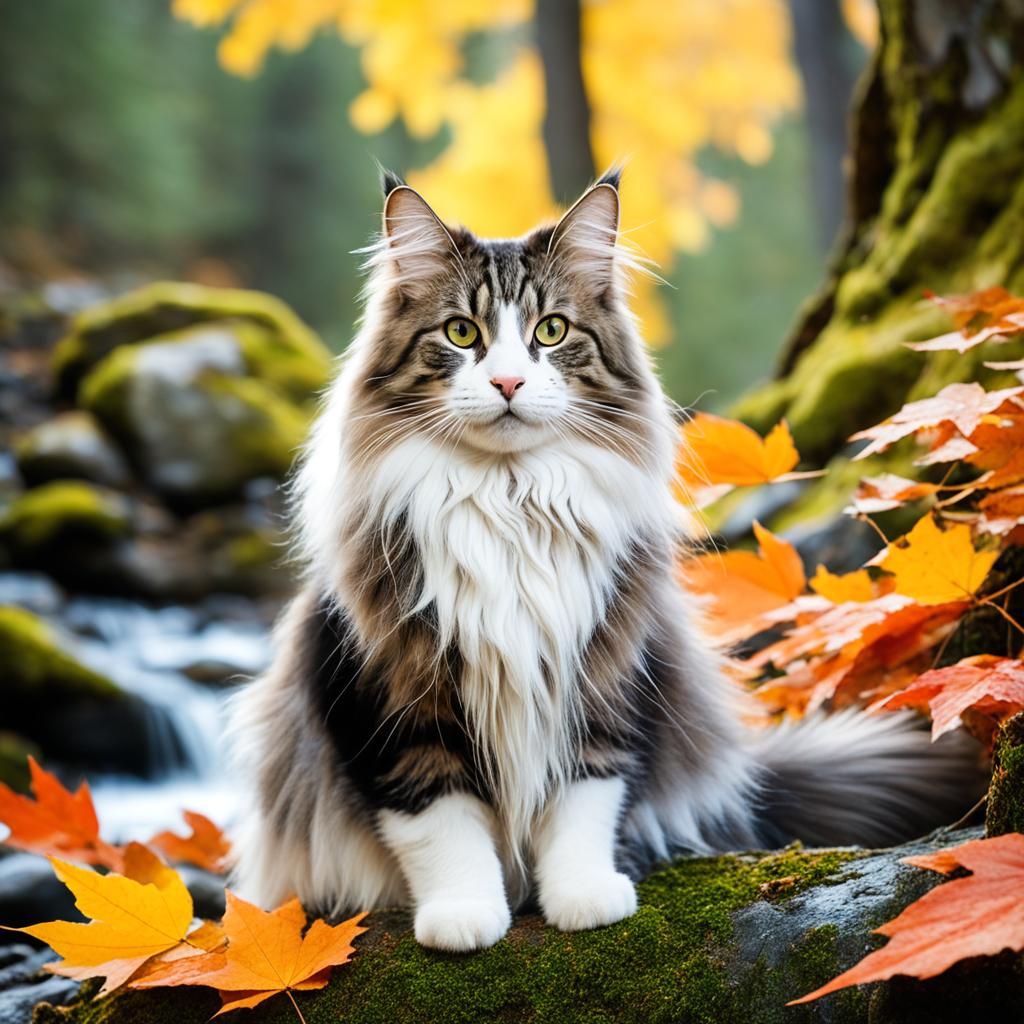
The Average lifespan of Norwegian Forest Cats, known for their majestic coats and playful nature, ranges from 14 to 16 years. This impressive span is a testament to their robust health and vitality. Let’s delve deeper into their typical lifespan range and see how they compare with other cat breeds.
Typical Lifespan Range
Norwegian Forest Cats generally enjoy a lifespan of 14 to 16 years. This breed is notable for its slow maturation, taking up to five years to reach full adulthood. During this extended period of development, these cats maintain a high level of playfulness and energy, contributing to their overall longevity. The larger physique of the males, often weighing more than the females, is a characteristic feature.
Comparison with Other Cat Breeds
When conducting a lifespan comparison, the cat breed longevity of Norwegian Forest Cats often exceeds that of many other domestic breeds. This breed’s longevity can be attributed to their strong genetics and the care provided by their owners. Here’s a quick look at how they stack up:
| Cat Breed | Average Lifespan |
|---|---|
| Norwegian Forest Cat | 14-16 years |
| Siamese | 12-15 years |
| Maine Coon | 10-13 years |
| Persian | 12-17 years |
Based on this lifespan comparison, it is evident that the Longevity of Norwegian Forest Cats is exceptional, keeping them in the running as one of the long-lived breeds when given proper care.
What Is the Lifespan of a Norwegian Forest Cat?

The Norwegian Forest Cat, often referred to as “Wegie,” is known for its majestic size and robust health. But how long do these wonderful cats live?
The Norwegian Forest Cat lifespan typically falls between 14 and 16 years, a remarkable longevity for any feline. These cats can live healthy and active lives well into their senior years when provided with proper care.
Investing in regular veterinary check-ups helps in maintaining the Norwegian Forest Cat life expectancy. Ensuring their diet and exercise routines are well-balanced will contribute significantly to a longer and healthier existence.
| Aspect | Details |
|---|---|
| Average Lifespan | 14-16 years |
| Key Factors | Diet, Exercise, Veterinary Care |
| Weight | 12-16 pounds (some males up to 18-20 pounds) |
| Origin | Norway |
Not just sizeable, these cats are smart and playful, usually quiet but always affectionate. A Norwegian Forest Cat’s favorable environment, replete with mental and physical stimulation, further boosts their life expectancy. Their gentle nature makes them excellent family pets, benefiting from both indoor and outdoor spaces.
The lifespan of Norwegian Forest Cats might exceed even the most positive expectations with continuous love and care. It’s essential for owners to be proactive about their physical and mental health, catering to both aspects to ensure an elderly, yet spirited Wegie maintains its zest for life.
Factors Affecting the Longevity of Norwegian Forest Cats

The lifespan of your Norwegian Forest Cat can be influenced by several elements, including genetics, diet, and exercise. Understanding these factors can help you provide the best care for your feline friend to ensure a long, healthy life.
Genetics and Hereditary Conditions
The genetics of Norwegian Forest Cats play a critical role in their longevity. These cats are predisposed to certain genetic conditions like hip dysplasia and glycogen storage disease type IV. Regular veterinary check-ups and genetic testing can help identify these issues early, ensuring your cat gets the best possible care.
Diet and Nutrition
A well-balanced diet for Norwegian Forest Cat is essential in maintaining their health. Ensuring that your feline friend receives high-quality, nutrient-rich food is crucial. Poor diet can lead to obesity, which is a significant concern for Norwegian Forest Cats. Ensuring portion control and nutrient balance can go a long way in securing their well-being.
Exercise and Physical Activity
Regular exercise for Norwegian Forest Cats is necessary to keep them healthy and active. These cats have a natural inclination to climb and play, making interactive play sessions and climbing opportunities essential. Investing in cat towers, climbing shelves, and interactive toys can help cater to their high energy levels and natural hunting instincts.
By paying attention to the genetics of Norwegian Forest Cats, providing a balanced diet for Norwegian Forest Cat, and ensuring regular exercise for Norwegian Forest Cats, you can help maximize their lifespan and ensure they live a fulfilled, happy life.
Common Health Issues in Norwegian Forest Cats

While Norwegian Forest Cats are generally robust and healthy, they are susceptible to some specific health concerns that can impact their well-being.
Hip Dysplasia
One of the common Norwegian Forest Cat health issues is hip dysplasia. This condition involves the malformation of the hip joint, which can cause discomfort and mobility issues. Regular vet check-ups are vital for early detection and management.
Patella Luxation
Patella Luxation is another condition affecting these cats. It’s a situation where the kneecap dislocates from its normal position, leading to occasional limping or difficulty in movement. Ensuring your cat maintains a healthy weight and engages in moderate exercise can help manage this issue.
Cardiomyopathy
Cardiomyopathy is a disease of the heart muscle that can significantly impact your cat’s health. Regular cardiovascular examinations by a vet can help spot early signs of this Norwegian Forest Cat health issue, improving the chances of effective treatment and management.
Glycogen Storage Disease Type IV
Glycogen Storage Disease Type IV is a genetic condition that disrupts the metabolism of glycogen, affecting various bodily functions. This disease requires early genetic screening to manage and mitigate its effects. Being aware of this condition and keeping a watchful eye on your cat’s health can make a substantial difference.
Though these health concerns can be daunting, regular vet consultations and a proactive approach can help you manage them, ensuring your Norwegian Forest Cat leads a happy and healthy life.
Diet and Nutrition for Prolonging Lifespan
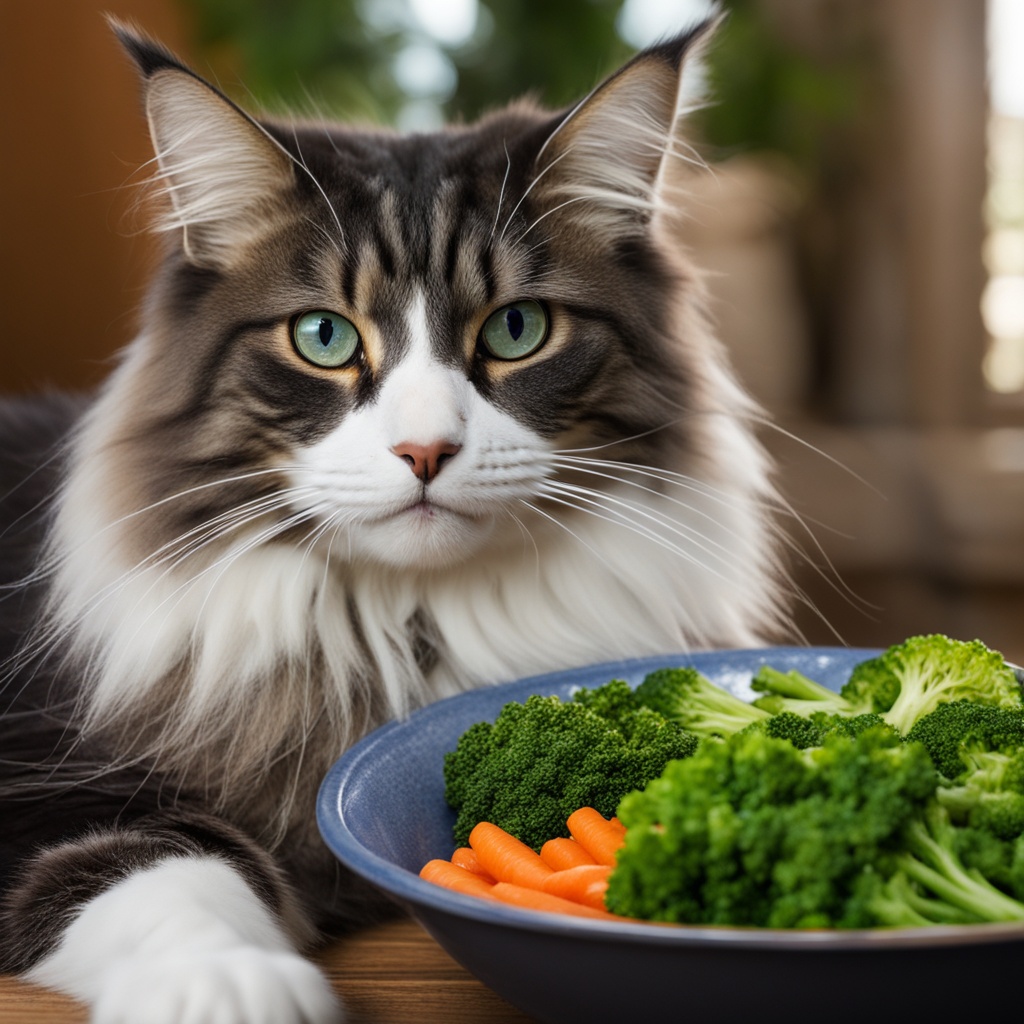
Ensuring your Norwegian Forest Cat enjoys a long and healthy life involves providing optimal nutrition. A well-balanced diet tailored to their unique needs is essential.
Recommended Foods
Selecting the best food for longevity is vital for your feline friend. Choose high-quality, protein-rich cat food formulated for their robust build. Brands like Hill’s Science Diet and Royal Canin are highly recommended as they provide the necessary nutrients without unnecessary fillers. Remember, a Norwegian Forest Cat diet should integrate both dry and wet food options to enhance their hydration.
Feeding Schedule
Maintaining a consistent feeding schedule for cats can dramatically reduce the risk of obesity and related health issues. Experts suggest splitting their daily intake into two balanced meals. Monitoring their weight and adjusting portions as needed can ensure that your cat remains at an ideal weight.
Supplements and Vitamins
To support overall health, considering nutritional supplements for Norwegian Forest Cats can be beneficial. Omega-3 fatty acids, for instance, can improve coat quality and reduce shedding. Additionally, supplements rich in vitamins like taurine can support heart and vision health. Always consult your veterinarian before introducing any new supplements to your cat’s diet.
Exercise and Physical Activity Essentials

Providing Norwegian Forest Cats with the right physical activities is key to their well-being. With their natural curiosity and athletic prowess, these felines thrive on interactive and varied exercises that stimulate both their minds and bodies.
Interactive Play
Interactive play for Norwegian Forest Cats is crucial for keeping these intelligent and active pets engaged. Using toys that mimic prey can encourage your cat to leap, chase, and pounce, effectively providing much-needed cardiovascular exercise. Laser pointers, feather wands, and automated toys are excellent choices to keep your feline friend entertained.
Climbing and Exploration
Climbing activities for cats play a significant role in their exercise routine. Norwegian Forest Cats are natural climbers and love to explore elevated spaces. Investing in cat trees, shelving units, or wall-mounted climbing systems will allow them to satisfy their climbing instincts safely. These structures provide perfect vantage points for observing their environment, making them feel secure and content.
Toys and Equipment
The right toys and equipment are essential for enhancing the daily lives of Norwegian Forest Cats. Puzzle feeders can stimulate their brains while also catering to their hunting instincts. Adding tunnels and hiding spots will encourage play and exploration. Moreover, sisal-wrapped scratching posts will satisfy their need to scratch while protecting your furniture.
Here’s a quick look at some popular options:
| Equipment | Description | Benefit |
|---|---|---|
| Cat Trees | Multi-level structures with platforms, scratching posts, and hiding spots | Encourages climbing, scratching, and resting |
| Puzzle Feeders | Interactive feeders that require problem-solving to access food | Provides mental stimulation and slows down eating |
| Feather Wands | Handheld toys with feathers that mimic bird movement | Promotes jumping and hunting exercise |
| Laser Pointers | Handheld devices emitting a laser beam for cats to chase | Offers high-energy play session |
| Shelves | Wall-mounted platforms for cats to climb and perch | Maximizes vertical space for exploration |
Grooming Requirements for Norwegian Forest Cats
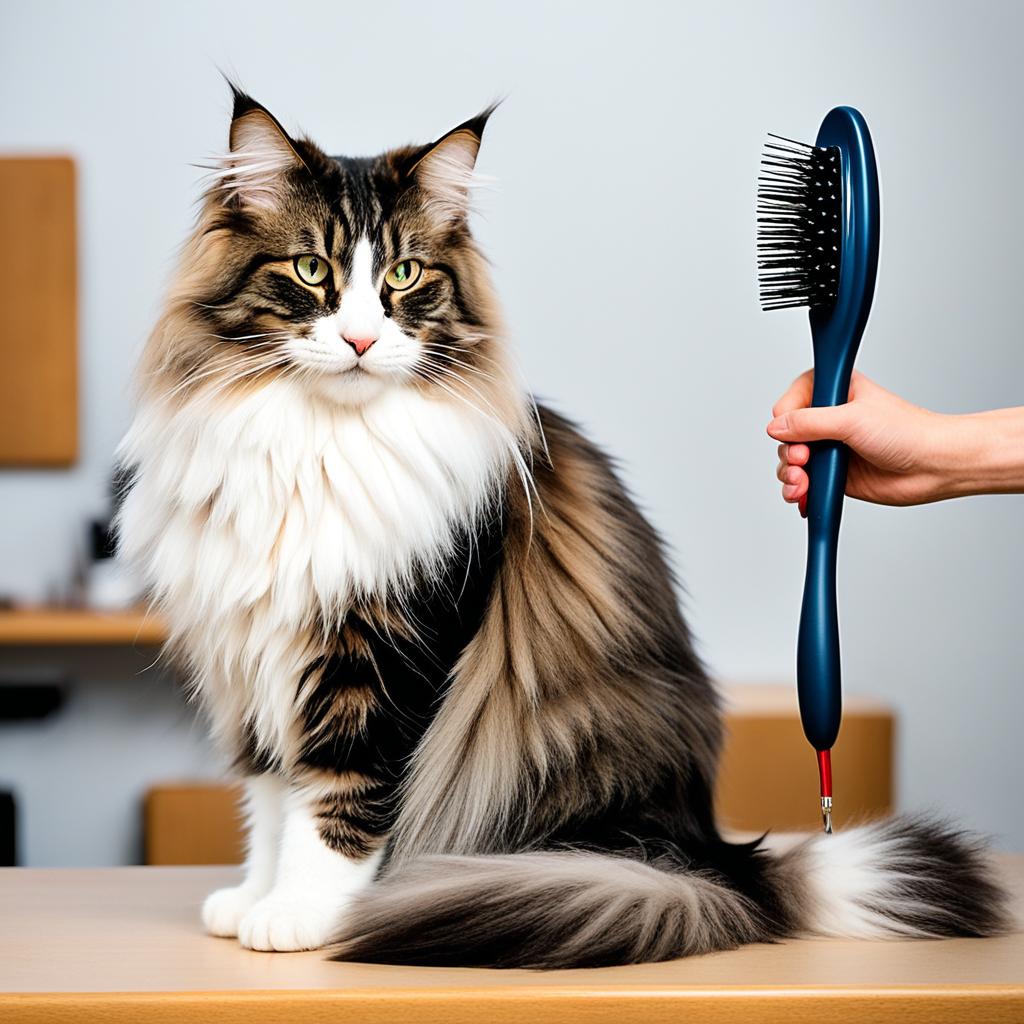
Maintaining the luxurious coat of your Norwegian Forest Cat doesn’t have to be a daunting task. With a regular grooming routine, you’ll keep your feline friend looking their best and feeling comfortable year-round.
Brushing and Shedding
One of the critical aspects of grooming Norwegian Forest Cats is managing their brushing and shedding care. Their dense fur requires frequent brushing, particularly during shedding seasons in spring and fall. Use a high-quality brush to navigate through their long coat, preventing matting and reducing loose fur that could end up all over your furniture.
Bathing and Cleaning
Though Norwegian Forest Cats are not known for needing frequent baths, incorporating a proper bath routine for cats into their grooming can keep their coats clean and tangle-free. It’s recommended to use a gentle cat-specific shampoo that won’t strip the natural oils from their fur. Remember, a clean coat is less likely to mat and more pleasant for your kitty.
Grooming Tips and Tricks
Here are a few top tips to make grooming Norwegian Forest Cats a breeze:
- Invest in a variety of brushes to tackle different areas of the coat effectively.
- Be gentle and make grooming sessions enjoyable to build positive associations.
- Consider professional grooming sessions if their fur seems particularly challenging to manage.
| Grooming Task | Frequency | Tools |
|---|---|---|
| Brushing | 2-3 times a week | Slicker brush, comb |
| Bathing | Once a month or as needed | Cat-specific shampoo |
| Checking for mats | Weekly | Detangler spray, comb |
| Professional grooming | Every few months | Professional groomer |
The Importance of Regular Vet Visits

Keeping your feline friend in optimum health requires careful attention to veterinary care for cats. Regular vet visits are paramount in ensuring that your Norwegian Forest Cat lives a long and vibrant life.
Vaccinations and Preventive Care
Vaccinations are a cornerstone of preventive care, shielding your pet from deadly diseases. By adhering to a vaccination schedule, you not only protect your cat but also prevent the spread of illnesses to other animals. Proper preventive care, like flea control and deworming, ensures your kitty remains healthy and parasite-free.
Spotting Health Issues Early
Early detection of cat illnesses can be a lifesaver. Regular veterinary visits allow your vet to monitor your cat’s health and identify any potential issues before they become severe. Conditions such as cardiomyopathy or hip dysplasia can be managed more effectively if caught early. Therefore, staying vigilant about veterinary care for cats is essential for maintaining their well-being.
Living Conditions for Optimal Longevity
Providing an ideal living environment for your Norwegian Forest Cat is crucial to ensure its healthy and long life. These majestic felines, known for their playful and curious nature, thrive in settings that foster exploration and physical activity. Creating an indoor environment for cats that includes safe climbing spaces, such as cat trees or shelves, can encourage their innate desire to climb and perch. Remember, an engaged Norwegian Forest Cat is a happy and healthy one.
Temperature plays a significant role in the well-being of your Norwegian Forest Cat. Since these cats come from the chilly climates of Norway, they tend to prefer cooler surroundings. Thus, during hot weather, it’s essential to provide cool areas within your home where they can retreat and relax. Maintaining a comfortable Norwegian Forest Cat home ensures they stay calm and stress-free, which directly impacts their longevity.
Another aspect of optimal living conditions for cats is safety. Ensure your home is hazard-free, free from small objects they might ingest or high surfaces that could be dangerous if they fall. Additionally, foster an engaging and loving atmosphere. Quality bonding time with pet parents often contributes to their overall well-being. In summary, a thoughtful, enriching, and safe environment is central to cherishing the delightful presence of your Norwegian Forest Cat for many years.
FAQ
What is the lifespan of a Norwegian Forest Cat?
Norwegian Forest Cats, or Wegies, typically live between 14 to 16 years, provided they receive proper care and maintain a healthy lifestyle.
How long do Norwegian Forest Cats live compared to other cat breeds?
Norwegian Forest Cats generally have a longer lifespan than many other domestic cat breeds, especially when given the right diet, exercise, and veterinary care. Their typical lifespan ranges from 14 to 16 years.
What factors influence the longevity of Norwegian Forest Cats?
Several factors can impact the lifespan of a Norwegian Forest Cat, including genetics, diet, exercise, and regular veterinary check-ups. Proper attention in these areas can significantly contribute to their longevity.
What are Norwegian Forest Cats prone to in terms of health issues?
Norwegian Forest Cats can be susceptible to specific health conditions like hip dysplasia, patella luxation, cardiomyopathy, and glycogen storage disease type IV. Regular vet check-ups help in early detection and management of these issues.
What diet is ideal for Norwegian Forest Cats to live longer?
A high-quality cat food that meets the specific nutritional needs of Norwegian Forest Cats is crucial. A balanced diet with the right portions and occasional supplements can help maintain their dense coat and robust build, preventing obesity and other related issues.
How important is exercise for Norwegian Forest Cats?
Exercise is vital for Norwegian Forest Cats due to their active nature. Regular interactive play, climbing, and exploration opportunities are essential for maintaining their physical health and mental stimulation.
What grooming needs do Norwegian Forest Cats have?
Norwegian Forest Cats require regular grooming due to their thick, long coats. Brushing is crucial, especially during shedding season, to prevent matting and manage loose fur. Bathing isn’t frequently necessary but keeping their coat clean is important.
How often should Norwegian Forest Cats visit the vet?
Regular vet visits are critical for Norwegian Forest Cats, involving vaccinations, preventive care, and routine check-ups. Early detection of health issues significantly contributes to their longevity and overall well-being.
What kind of living environment is best for Norwegian Forest Cats?
Norwegian Forest Cats thrive in environments that cater to their playful and exploratory nature. Safe climbing spaces, engaging toys, and cool areas during hot weather contribute to their happiness and health.
What is the history of Norwegian Forest Cats?
Norwegian Forest Cats have a rich history steeped in Norse legend, being well-equipped for harsh Norwegian winters. These cats have been companions for centuries, with their luscious, water-resistant coats and sociable personalities.
How do the physical characteristics of Norwegian Forest Cats compare to other breeds?
Norwegian Forest Cats are robust and muscular, typically out-weighing and out-sizing many other domestic breeds. They are distinguishable by their almond-shaped eyes and a variety of coat colors and patterns.


