
Have you ever thought about grooming to help with cat obesity? If your American Shorthair is overly plump, knowing how to groom them is very important. It’s more than just making them look good, it keeps them healthy. Grooming your cat isn’t just for beauty; it makes sure your cat is clean, comfy, and in good health. American Shorthairs have dense, short fur that really needs attention. Without grooming, they may get matted fur, hairballs, or even hygiene issues. So, how can you do this the right way?
First, let’s understand why it’s vital to groom overweight American Shorthairs. They might not be able to groom themselves as well. Proper grooming, like brushing before trimming, using the right tools, and giving them baths, helps a lot. This care can boost their health and even help them manage weight. Grooming plays a big role in keeping your cat happy and healthy.
Key Takeaways
- Grooming can prevent matting and improve hygiene in overweight American Shorthair cats.
- American Shorthair cats have dense coats that require regular maintenance.
- Proper cat grooming techniques are crucial for maintaining their fur and skin health.
- Overweight cats may struggle with self-cleaning, making grooming more critical.
- Brushing and safe bathing are essential parts of a grooming routine for feline obesity management.
Understanding Feline Obesity: Causes and Symptoms

Keeping our cats healthy is very important. It’s crucial to know why they could become overweight. Understanding the causes and symptoms of obesity in cats helps us keep them fit. This way, we can stop the problem or treat it early.
Common Causes of Obesity in Cats
Cats can become overweight for several reasons. Giving them too much food or treats is a big issue. Those adorable looks they give us might lead to overfeeding. Also, not moving enough can cause weight gain. Just like with people, not enough exercise can be bad for our cats.
Metabolic changes as cats grow older can slow their body down. This makes burning calories harder. The kind of food they eat is also important. Diets high in carbs can add up to a lot of calories. For certain breeds like the American Shorthair, their natural muscle hides weight gain early on. This is why keeping an eye on what and how much they eat is crucial.
Symptoms to Watch Out For
Being aware of the symptoms of obesity in cats is vital. Check for extra fat, especially around the belly. This is a clear sign they might be overweight. A sudden lack of interest in playing could mean they feel tired all the time. If your cat just wants to rest a lot or doesn’t seem very active, they might be gaining too much weight. Catching these signs early helps make sure they stay healthy and happy.
What to Do If Your American Shorthair Cat Is Overweight?

Have you ever wondered what to do if your American Shorthair cat is overweight? You’re not alone. Solutions for overweight American Shorthairs mix expert advice with hands-on changes. Your first step is important: Make sure there are no health issues, and visit the vet.
After the vet gives the all-clear, create a plan to help your cat lose weight:
- Diet Control: Choose a balanced, low-calorie cat food.
- Exercise: Boost your cat’s activity with fun games or special toys.
- Professional Guidance: Adjust the plan based on your cat’s unique needs.
Following these steps can help tackle the problem of what to do if your American Shorthair cat is overweight. With dedication, you’re likely to see your cat’s health improve thanks to your efforts.
Weight Management for Cats: Diet Tips

Keeping your cat at the right weight is vital for their health. Start by choosing what food to put in their bowl wisely.
Choosing the Right Cat Food
Pick cat food that’s full of protein and free from fillers. Foods that are rich in quality protein help your cat keep their muscle. Blue Buffalo and Wellness CORE are top brands to check out. Avoid foods with synthetic fillers and all those unnatural extras. They just make your cat’s food less nutritious.
Feeding Schedule and Portion Control
Keep meal times steady for your furry friend. A regular eating plan boosts their metabolism and stops them from eating too much. Dividing their food into smaller helpings over the day is a good idea. It prevents them from getting too hungry and aids their digestion.
- Breakfast: 8:00 AM
- Lunch: 1:00 PM
- Dinner: 6:00 PM
You need to watch how much you feed your cat as well. Meal sizes should match their weight, age, and how active they are. Your vet can help you figure out the best amount. Consider using automatic feeders. They’re great for making sure your cat doesn’t overeat.
Using these diet tips every day will help your cat lead a healthier, happier life.
The Role of Exercise in Feline Health and Wellness

Your American Shorthair cat doesn’t work out at a gym. But, exercise is key for their health. It also brings us closer to them. Engaging playtimes keep them active and well.
Interactive Playtime Ideas
Is your cat not into playtime? Try toys that mimic hunting. This plays to their instincts. Toys like feather wands, laser pointers, and motorized ones are great. They keep cats moving and strengthen the bond between you.
- Feather wands
- Laser pointers
- Motorized toys
- Puzzle feeders
Encouraging Your Cat to Move
Does your cat love napping more than playing? There are tricks to get them moving. Try making a daily playtime routine or even leash walking. These simple activities are fun and get your cat moving. Leash walking is unusual but effective. It introduces them to new scenes and exercises.
- Daily play sessions
- Leash walking
- High-energy games
Keeping your American Shorthair active is vital. Add fun activities into their day. This keeps your pet healthy and happy.
Common Health Risks of Obesity in Cats
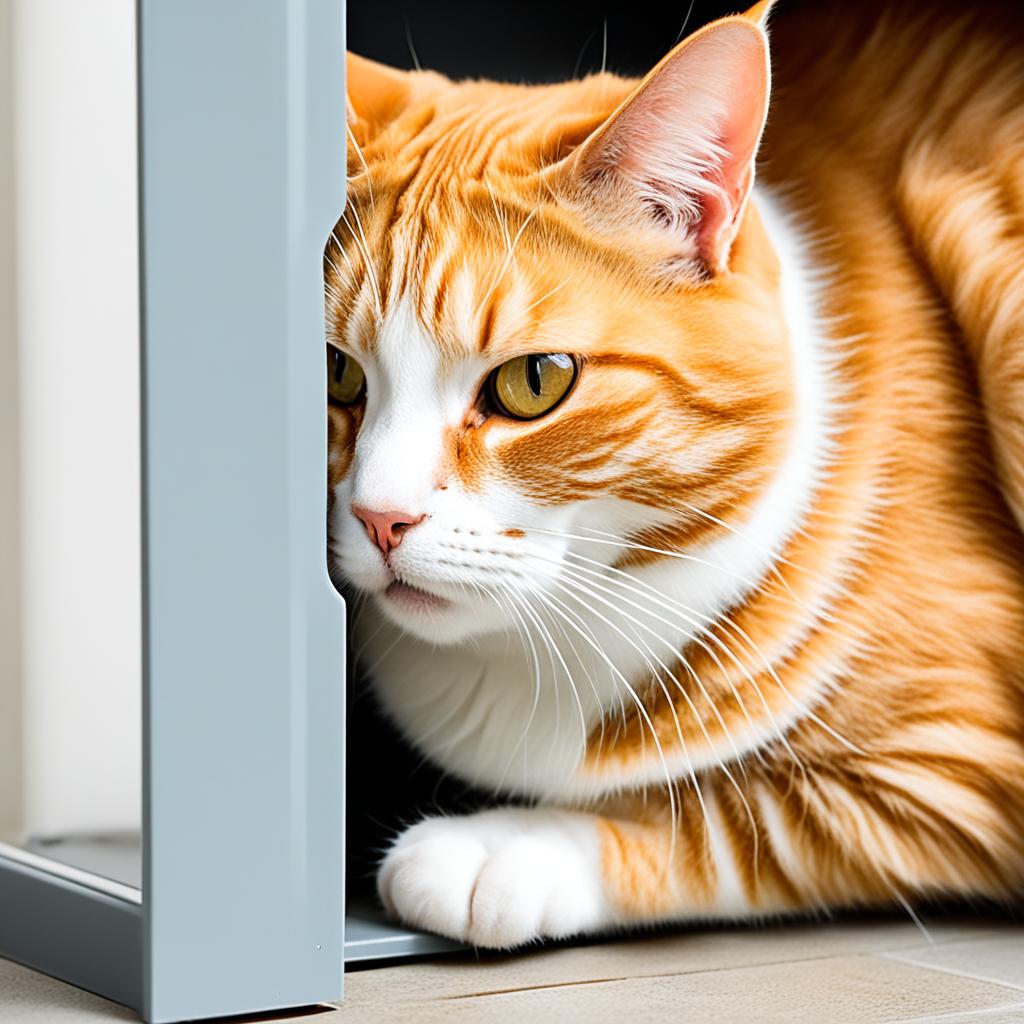
Knowing the dangers of obesity in cats is vital for their health. It can cause serious issues. Yet, many of these can be prevented with the right steps.
Potential Health Problems
Obesity can lead to many health troubles in cats. Let’s look at the main risks:
- Diabetes: Too much weight can cause diabetes. This needs careful lifelong management.
- Hypertension: Obesity raises blood pressure, stressing the heart and other organs.
- Joint Issues: It strains joints, causing arthritis and movement difficulty.
Preventative Health Measures
To avoid these risks, it’s important to take action. Here are some ways:
- Controlled Diet: Ensure your cat gets a balanced diet with the right portion sizes.
- Regular Exercise: Play with your cat daily to keep them at a good weight.
- Frequent Vet Visits: Regular checkups help spot and control health problems early.
Being watchful and taking action can really help your cat. Keeping them healthy can lead to a longer, happier life.
Grooming Techniques for Overweight American Shorthair Cats

Keeping your overweight American Shorthair cat groomed is crucial for its health and happiness. Regular grooming improves not just their appearance but also their comfort. There are specific grooming steps to keep your big cat feeling good.
Brushing and Detangling
For overweight American Shorthairs, brushing and detangling are vital. Their size can make self-grooming tough, leading to painful tangles. Use a suitable brush for short hair and brush gently. Begin with the problem areas like behind ears and under the legs. This step prevents hairballs, a common problem with overweight cats.
Bathing Overweight Cats Safely
Bathing a chubby American Shorthair cat needs special care to avoid stress and injuries. Use lukewarm water and shampoo made for cats. Make sure the bath space is quiet. Always handle your cat with care and rinse well after shampooing. These simple steps ensure grooming is safe and keeps the cat clean and happy.
Trimming Techniques to Prevent Matting
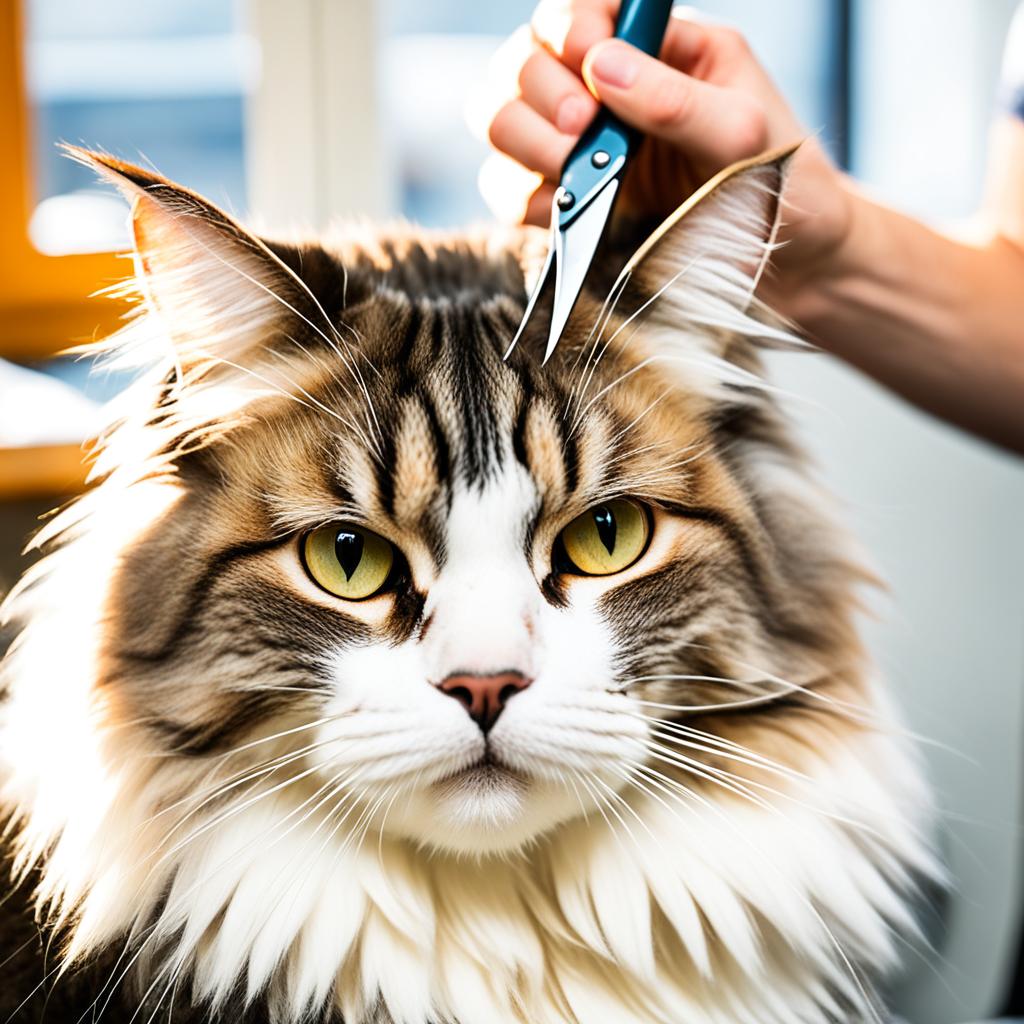
Keeping your American Shorthair cat mat-free is important for both of you. It’s a chance to bond and it’s crucial for their health. Matted fur can lead to skin problems, which are more likely in overweight cats that can’t groom well.
Essential Grooming Tools
The right essential grooming tools can make all the difference. Your kit should have:
- Pet-specific clippers
- Scissors
- Detangling sprays
- Combs and brushes
Good tools make grooming easier and safer. They help avoid cutting your cat and keep them comfy.
Step-by-Step Trimming Guide
Let’s look at how to trim your cat step by step:
- First, brush your cat well to take out loose fur and undo knots.
- Then, use clippers to carefully cut fur near sensitive spots like the belly and feet.
- Next, use scissors to trim long fur on the legs and under the arms.
- Keep each grooming session brief to not upset your cat.
By sticking to these cat grooming techniques and trimming your American Shorthair often, you help their cleanliness and happiness. Plus, they’ll be more comfortable.
| Grooming Tool | Purpose |
|---|---|
| Pet-specific clippers | Trim dense fur safely |
| Scissors | Detail trimming in sensitive areas |
| Detangling sprays | Ease out knots and tangles |
| Combs and brushes | Remove loose fur and reduce matting |
Grooming your cat well is essential, especially for American Shorthairs that tend to get knotted fur if overweight. With the right knowledge and tools, you can keep your cat happy and healthy.
Ensuring Dietary Compliance with Feline Treats

Giving your American Shorthair treats is great for positive behavior. But it’s very important to keep their diet in mind. We will look at how to give them healthy treats that don’t mess up their meal plans.
Healthy Treat Options
Choose treats that are low in calories but rich in good stuff. Treats should add to your cat’s diet. Look for ones with omega-3s and taurine for a health boost.
Avoiding Over-Treating
Remember, less is sometimes more. Too many treats can lead to your cat getting heavy and ignoring their main food. So, it’s good to have a plan for when treat time is.
| Treat Type | Calorie Content | Main Benefit |
|---|---|---|
| Freeze-dried Fish | Very Low | High in Protein |
| Chicken Bites | Low | Lean Protein Source |
| Catnip-infused Snacks | Low | Stress Relief |
| Dental Chews | Moderate | Maintains Oral Health |
Watch what your cat eats and how often they get treats. This helps keep them in good shape and feeling good. Too many treats is bad for health.
Monitoring Weight Loss Progress in Your Cat
Keeping track of your American Shorthair’s weight loss may seem hard. Yet, it’s simpler than you might think. Regular weigh-ins and a clear plan can make it straightforward.
Using a Pet Scale
First, get a good pet scale. Cats can’t tell you they’ve lost weight. So, you need to keep good data. This scale is key for checking how much your cat weighs each week. It helps you know if they’re losing weight.
Tracking Dietary Intake
Next, watch what your cat eats. It’s important to keep a food diary. Write down what and how much they eat. This shows if you need to adjust their diet. Use apps or a notebook for this. Consistency is vital. Small changes in their diet can really help.
Monitoring weight loss in cats means using a pet scale for the right data. Also, tracking what they eat is vital. These steps help your cat get to a healthy weight. They make checking progress easy and help you make changes when needed.
Consulting a Veterinarian for Professional Advice

The key to keeping your American Shorthair at a healthy weight is expert advice. A vet helps you tackle cat obesity safely and effectively. They tailor a weight loss plan just for your cat, making sure they stay healthy.
Regular Health Checkups
It’s important for your cat to have regular checkups. These visits help your vet keep an eye on your cat’s weight and catch health problems early. With this care, they can tweak your cat’s diet and exercise to stay fit.
Creating a Weight Loss Plan
A personalized weight loss plan is key. It might feature a special diet, extra playtime, or sometimes, medicine. Your vet will design this plan to be safe and effective for your cat, helping them thrive.
Remember, your vet is an ally in your cat’s weight loss journey. Their professional advice can make all the difference.
Encouraging Long-Term Healthy Habits in Your Cat
Simply put, developing good habits in your cat is key to their health and long life. Keeping them healthy and happy is about what you do regularly. This includes feeding them well, keeping them active, and caring for their needs.
Maintaining a Balanced Diet
A balanced diet is vital for your cat’s health. It’s about choosing the right cat food and not overfeeding. Eating well helps prevent obesity and keeps your cat healthy.
Incorporating Regular Exercise
Exercise is as important for cats as it is for people. You can keep your cat moving with fun games, puzzle feeders, and by making sure they explore. This will keep them physically and mentally fit.
Conclusion
As you end your journey in fighting feline obesity, knowing how to groom your overweight American Shorthair cat is key. Regular grooming makes your cat look good and prevents tangling. It also keeps them hygienic. Using the right grooming methods helps your cat feel happy and healthy.
Now, let’s talk about food and exercise. Choose high-quality, protein-packed food for your cat. Stick to a regular feeding plan to help them lose weight. Exercise is important too. It’s more than just losing weight. It keeps your cat’s mind and body sharp. Playing or doing activities together helps a lot. The key is to find a balance between food and play to keep your cat healthy.
Remember, obesity brings health risks. So, seeing the vet regularly is a must. By starting good habits and providing a caring home, you help your cat stay both physically healthy and happy. This approach makes a big difference in your American Shorthair’s life. It ensures they stay active, joyful, and with you for a long time.
FAQ
What should I know about trimming my overweight American Shorthair cat?
Trimming your cat’s fur is important to prevent matting and to keep them clean. This is especially true for overweight American Shorthairs. They can find it hard to groom themselves. So, proper trimming is key to their well-being.
What are common causes of obesity in American Shorthair cats?
Overfeeding, lack of exercise, and metabolic changes with age are main causes. Their build and little interest in activity makes them prone to gaining weight.
What symptoms indicate my cat might be overweight?
If your cat seems too chubby, moves slowly, and doesn’t play much, they maybe overweight. It’s important to see a vet if you spot these signs.
What should I do if my American Shorthair cat is overweight?
First, see a vet to check your cat’s health. Then, create a plan to help them lose weight. This plan should focus on better eating and more exercise. Make sure the plan fits your cat’s needs.
How do I choose the right cat food for weight management?
Choose food high in protein and avoid fillers. Ask your vet for advice on a diet that’s best for your American Shorthair’s health and weight.
What should I know about feeding schedules and portion control?
Stick to a regular feeding time and watch how much your cat eats. This ensures they get the right nutrients without too many calories.
What are some effective exercise ideas for my overweight cat?
Try playing with your cat using toys and puzzle feeders to get them moving. Walking them on a leash or playing energetic games are also great ways to help them exercise.
What health risks are associated with feline obesity?
Being overweight can lead to diabetes, high blood pressure, and joint problems. To prevent these issues, exercise your cat and feed them a balanced diet.
How should I groom my overweight American Shorthair cat?
Brush your cat regularly to avoid tangles and reduce hairballs. Wash them carefully with cat shampoo to keep their skin healthy.
What tools do I need for grooming an overweight cat?
For safe and effective trimming, use clippers and scissors made for pets. You’ll also need usual grooming tools like brushes to keep their fur in good shape.
How can I use treats responsibly in my cat’s diet?
Choose low-calorie treats and give them out in moderation. Make treats part of your cat’s structured meal plan to help them maintain a healthy weight.
How can I monitor my cat’s weight loss progress?
Weigh your cat often on a pet scale to keep track of their progress. Adjust their food as needed to make sure they keep losing weight.
Why is professional veterinary advice important for managing feline obesity?
Regular vet checkups and their advice are crucial for your cat’s weight loss. They offer tips on diet, exercise, and any needed medical help.
How can I encourage long-term healthy habits in my American Shorthair cat?
Keeping a cat on a healthy diet and making sure they exercise regularly are the best ways. These key habits will support their health and life quality.


