
Why do Scottish Fold Cats captivate us so deeply with their unusual ears? If you’ve ever found yourself mesmerized by these adorable felines, with their characteristic folded ears, you are not alone. The allure lies not merely in their appearance but in the fascinating genetics that underpin their unique ear structure. Scottish Fold Cats’ ears aren’t just an aesthetic quirk; they spark conversations about genetics, breed health, and feline anatomy.
Delving into the mysteries of Scottish Fold Cats ears reveals a captivating tale of genetic mutations and their impact on feline allure. Understanding the origins and implications of this trait offers a deeper appreciation for these charming creatures and their distinctive folded ears. Let’s explore how this phenotypic twist evolved and what it means for the health and well-being of Scottish Folds.
Ready to uncover the secrets behind their folded ears, and what makes these cats so intriguing? Read on to delve deeper into the allure of the Scottish Fold, and discover how feline genetics ear folds shape this captivating breed’s identity.
Key Takeaways
- Scottish Fold Cats are renowned for their unique folded ears, captivating cat enthusiasts worldwide.
- The folded ear trait is attributed to a specific genetic mutation that alters the cat ear structure.
- This breed originated in Scotland in 1961, with a barn cat named Susie.
- Understanding the genetic reasons behind ear folding can help in better breed health management.
- Scottish Folds’ distinctive traits go beyond their ears, including unique facial expressions and diverse coat colors.
The Origins of the Scottish Fold Breed

Journey back to the lush, green fields of Scotland, where the tale of the Scottish Fold breed traits begins. In 1961, a humble barn cat named Susie caught the eye of a local shepherd, William Ross. Susie wasn’t just any feline; she sported an unusual feature—a pair of folded ears that set her apart from the other barn cats.
This quirky ear anomaly, known scientifically as cat genetics folded ears, intrigued breeders. They saw potential in this peculiar trait and soon, through careful breeding, the charming Scottish Fold breed was established. The folded ears are a direct result of a genetic mutation affecting cartilage, giving these cats their iconic look.
Susie’s discovery marked the dawn of an era for the Scottish Fold breed. By blending her genes with other cats, breeders honed specific Scottish Fold breed traits, enhancing their unique appeal. It’s fascinating how a genetic twist, originating from a singular barn cat, blossomed into a beloved and distinct breed recognized worldwide.
| Year | Event |
|---|---|
| 1961 | William Ross discovers Susie, the first Scottish Fold cat |
| 1966 | The breed is named “Scottish Fold” |
| 1971 | Scottish Folds gain recognition by cat associations worldwide |
This journey from a Scottish barn to global cat shows underscores the enchanting blend of uniqueness and destiny that defines the Scottish Fold breed traits. Whether it’s the allure of their engaging personalities or the captivating cat genetics folded ears, Scottish Folds continue to captivate hearts around the globe.
The Genetic Mutation Behind Folded Ears
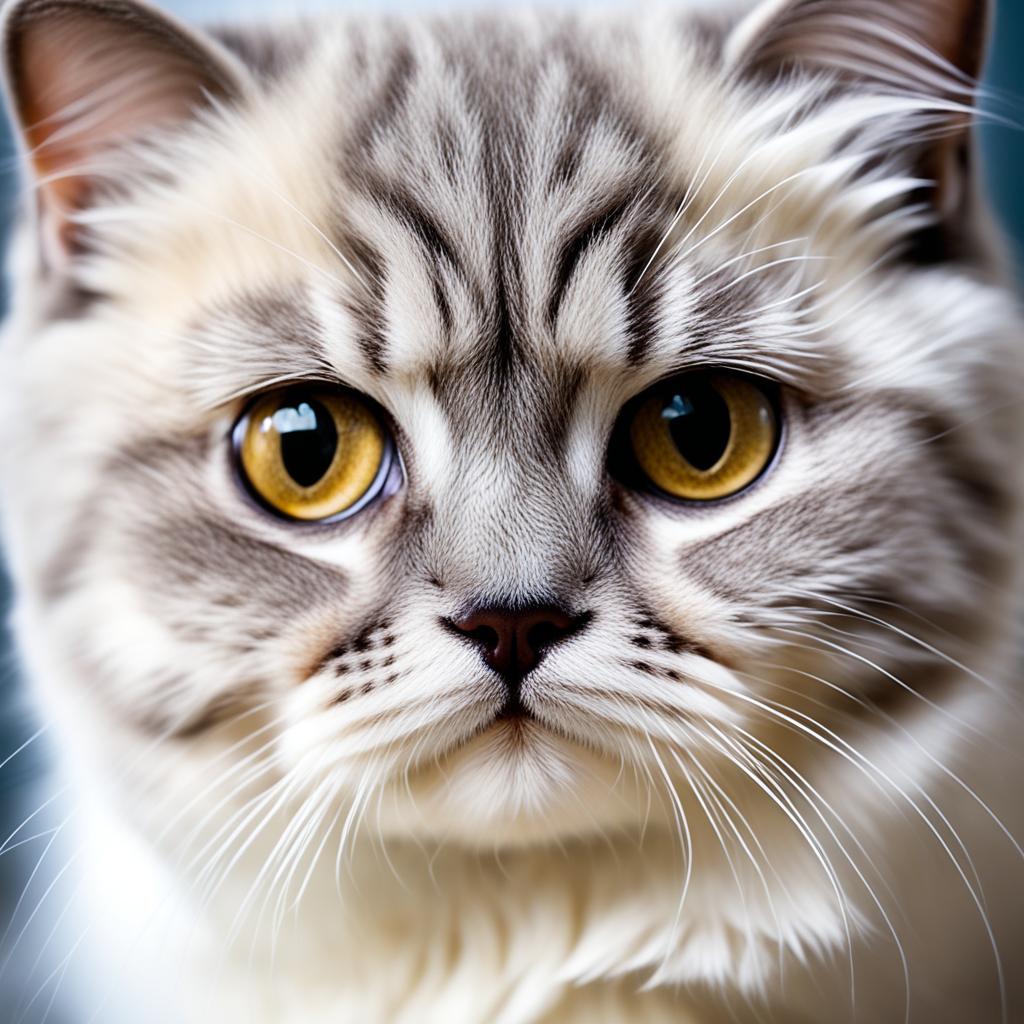
The iconic folded ears of Scottish Fold cats are more than just an adorable quirk—they’re a fascinating example of a complex genetic mutation. This genetic mutation in cats directly affects the cartilage, giving rise to that distinctive look. Let’s dive deeper into how this phenomenon works and its implications.
The Role of Feline Cartilage Genes
Scottish Fold cats owe their signature ear folding to a genetic mutation that impacts cartilage development. The mutation affects the gene responsible for forming cartilage, resulting in softer, more pliable cartilage that causes the ears to fold forward. This cartilage gene mutation isn’t isolated to the ears; it also affects other joints and bones, playing a critical role in the overall skeletal structure of these cats.
Impact on Cat Ear Structure
When you look at a Scottish Fold, what you’re seeing is the direct outcome of this genetic mutation in cats. The ear folding in Scottish Folds results from the weakened cartilage that can’t hold the ear upright. While this gives the breed its unique charm, it can also lead to health concerns. The mutation responsible for ear folding in Scottish Folds can sometimes cause problems such as joint pain and mobility issues due to the compromised cartilage.
| Aspect | Impact |
|---|---|
| Ear Structure | Folded forward due to weak cartilage |
| Skeletal Health | Potential joint pain and mobility issues |
| Appearance | Distinctive and charming |
In summary, the genetic mutation in cats seen in Scottish Folds leads to their distinctive ear folding, making them a fascinating subject of study for both geneticists and cat lovers alike.
Why Do Scottish Fold Cats Have Folded Ears?
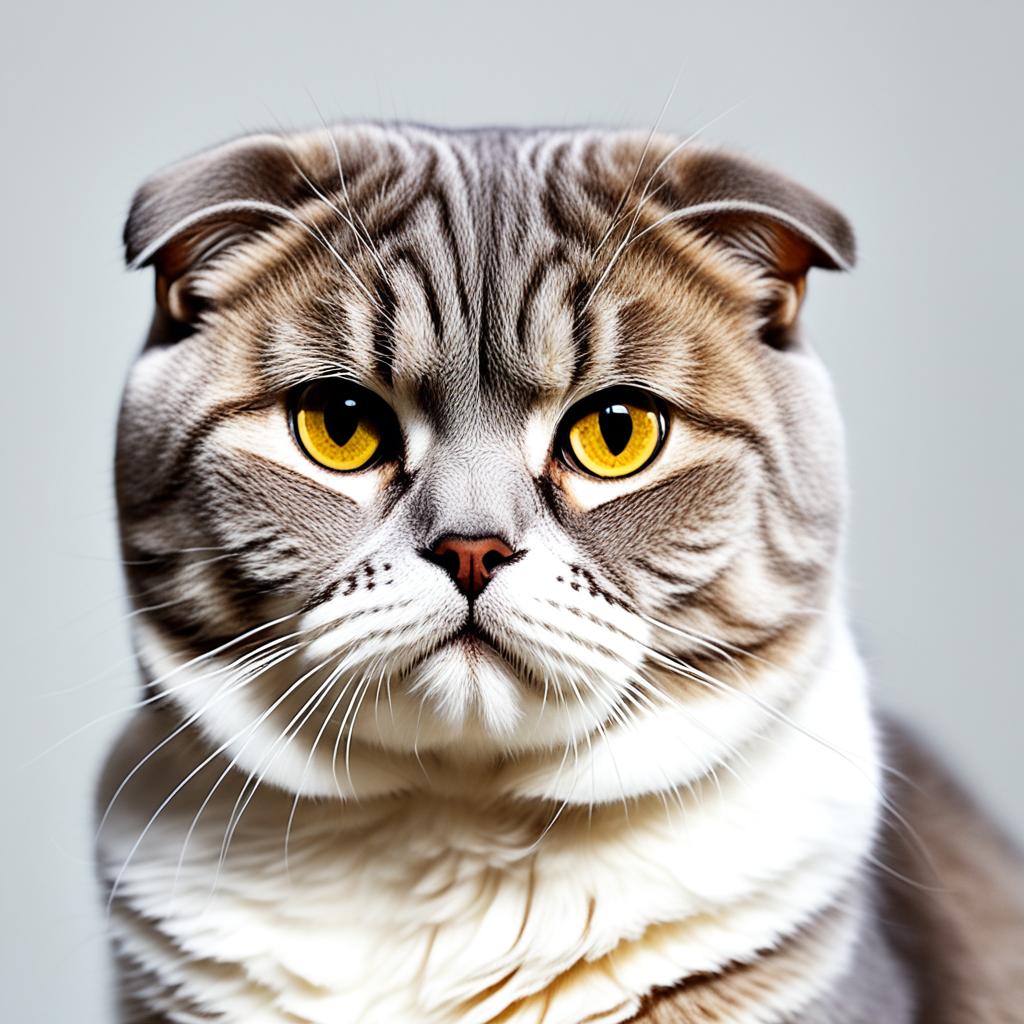
Scottish Fold Cats have captivated the hearts of many with their distinct ear folding. You might wonder, why do Scottish Fold Cats have folded ears? The answer lies in a fascinating combination of biology and genetics.
The unique ear fold in Scottish Folds results from a mutation in a gene that affects cartilage development. This gene is called the Fd gene, and it sets the Scottish Fold apart from other cat breeds.
This genetic mutation impacts the ear’s firmness, causing it to fold forward and down. Unlike other cats whose ears stand upright, Scottish Folds display a charming, almost cap-like appearance. But it’s not just about aesthetics; this fold bears significant implications.
Regarding inheritance, the trait is usually passed down in an autosomal dominant pattern. If a Scottish Fold parent carries the Fd gene, there’s a good chance their kittens will inherit the same charming folded ears.
| Reason | Explanation |
|---|---|
| Genetic Mutation | An abnormal cartilage gene causes the unique ear fold. |
| Inheritance Pattern | The folded ear trait is autosomal dominant, often passed from one parent to offspring. |
| Aesthetic Appeal | The ear folding gives Scottish Folds their distinctive, appealing look. |
While the folded ears are adorable, they are also associated with particular health concerns. Cats possessing this gene can sometimes experience cartilage and bone-related conditions, necessitating careful breeding and regular health checks.
Despite these challenges, the Scottish Fold remains a beloved breed. So next time someone asks, “Why do Scottish Fold Cats have folded ears?”, you can impress them with your newfound knowledge on the topic!
Distinctive Traits of Scottish Fold Cats

Beyond their signature ears, Scottish Fold cats captivate with various endearing characteristics. From their gentle disposition to their expressive faces, let’s dive into what makes these felines so special.
Folded Ears in Cats
The hallmark of Scottish Fold cat characteristics is, without a doubt, their unique folded ears. This defining feature isn’t just a visual delight but serves as a key identifier of the breed. The ear’s fold, which appears so effortlessly charming, results from a genetic trait that affects cartilage structure, giving them their iconic look.
Their Unique Facial Expressions
Equally enchanting are their unique facial expressions. Thanks to their folded ears, these cats often sport a curious and perpetually surprised look, adding to their distinctive charm. Some say they look like wise little owls or teddy bears, further enhancing the appeal of these delightful companions.
Blending these characteristics with their affectionate and playful nature, Scottish Fold cats become irresistible to cat lovers. Their folded ears and charming faces turn them into not just pets but beloved family members.
- Gentle and loving demeanor.
- Soft, padded paws that move gracefully.
- Large, round eyes that capture your heart.
Here’s a quick comparison table outlining some of their prominent traits:
| Trait | Description |
|---|---|
| Folded Ears | Unique ear structure due to genetic trait. |
| Facial Expressions | Often appear curious or surprised. |
| Demeanor | Gentle, affectionate, and playful. |
It’s evident that the folded ears in cats, particularly in Scottish Folds, contribute significantly to their charm and personality, making them one of the most beloved cat breeds today.
The Diversity of Scottish Fold Coat Colors

When it comes to Scottish Fold Cats ears, their charm is truly amplified by the splendid array of coat colors this breed exhibits. From solid shades to intricate patterns, every Scottish Fold can boast a unique look that complements their characteristic folded ears.
Consider taking a closer look at the color diversity associated with this breed:
| Color Category | Common Colors |
|---|---|
| Solids | White, Black, Blue, Red, Cream |
| Bi-colors | Black and White, Blue and White, Red and White |
| Tabbies | Classic Tabby, Mackerel Tabby, Spotted Tabby |
| Tortoiseshells | Tortie, Blue-Cream |
The genetic tapestry that results in such diverse coat colors is as fascinating as the Scottish Fold Cats ears themselves. Whether it’s a solid white that brings out the eye color or a rich tortoiseshell with deep, mingled shades, the variety within the breed makes them endlessly interesting. Their coats can also tell stories about their ancestry, as many of these patterns and colors come from carefully managed breeding practices over the years.
So, the next time you admire those Scottish Fold Cats ears, take a moment to appreciate the palette of colors that makes each cat not just a pet, but a masterpiece of nature’s art.
The Spectrum of Scottish Fold Hues: Classic and Rare Colors

Scottish Fold Cats are a visual delight not only because of their enchanting folded ears but also due to the myriad of coat colors they sport. With any Scottish Fold, you get a spectrum of alluring hues that reflect the breed’s diverse genetic background.
Classic Coat Colors
When it comes to classic hues, you can expect pure elegance. These are the colors that have defined the breed for generations:
- Solid Blue: The blue-gray coat exudes sophistication and tranquility.
- Black: Dramatic and stunning, the black coat is a showstopper.
- White: Pure and pristine, a white Scottish Fold offers a striking visual contrast.
- Red: A vibrant and warm hue that grabs attention.
Rare and Striking Shades
Beyond the classics, Scottish Fold Cats boast some extraordinary and rare colors that make them all the more mesmerizing:
- Chocolate: Deep, rich, and as luxurious as it sounds.
- Lilac: A soft, pastel shade that’s as unique as it is beautiful.
- Cream: Pale and subtle, offering a hint of elegance.
- Silver: Gleaming and almost regal with a reflective touch.
Each hue adds another layer to the allure of Ear folding in Scottish Folds, making these cats even more captivating. Whether you prefer the classics or the rarer shades, the variety ensures there’s a perfect Scottish Fold for every cat lover.
Proper Grooming Tips for Scottish Fold Cats

Scottish Fold cats are loved for their charming appearance and unique folded ears. To keep these felines looking their best, it’s essential to follow proper grooming tips specifically tailored for Scottish Fold Cats.
Essential Brushing Techniques
Brushing is a key part of grooming Scottish Fold Cats to ensure their coat remains healthy and free of tangles. Use a gentle brush to avoid damaging their delicate fur. Aim for at least two to three brushing sessions per week, focusing on areas where mats and tangles are common.
Bathing and Nail Care
Bathing routines for Scottish Fold Cats should be occasional to avoid stripping natural oils from their fur. Use cat-specific shampoos and ensure the water is lukewarm. Additionally, nail care is crucial. Regularly check their claws and trim them to prevent overgrowth and potential injury.
| Grooming Activity | Frequency | Tools Recommended |
|---|---|---|
| Brushing | 2-3 times per week | Gentle brush |
| Bathing | Occasionally | Cat-specific shampoo |
| Nail Trimming | Every 2-4 weeks | Cat nail clippers |
Consistent grooming not only keeps Scottish Fold Cats looking their best but also supports their overall health. Follow these Proper Grooming Tips for Scottish Fold Cats to ensure your feline friend remains happy and healthy.
Understanding the Health Challenges

Owning a Scottish Fold cat comes with a deep appreciation for their unique charm and undeniable beauty. However, it also means being attentive to Understanding the Health Challenges they face due to their distinctive folded ears. A primary concern is a genetic condition known as osteochondrodysplasia, which affects cartilage and bone development.
To better grasp the intricacies of these health issues, let’s dive into a closer look at the common medical conditions associated with the breed:
- Joint stiffness and pain
- Early-onset arthritis
- Mobility issues due to malformed bones
Addressing these health challenges is crucial for any Scottish Fold cat owner. Here are some recommended steps:
- Regular veterinarian check-ups: Routine visits to the vet can help detect early signs of health problems associated with the breed.
- Proper diet and exercise: Maintaining a healthy weight and ensuring your cat stays active can mitigate some mobility issues caused by osteochondrodysplasia.
- Specialized care: Consulting with a veterinarian who understands the breed’s specific needs can provide tailored advice and treatments.
By proactively engaging in Understanding the Health Challenges faced by Scottish Fold cats, you can ensure your feline friend lives a happier, healthier life. Always stay informed and vigilant to provide the care your adorable companion deserves.
The Influence of Feline Genetics on Ear Folding
Understanding the intricacies of feline genetics reveals how the charming folded ears of Scottish Fold cats come into existence. The phenomenon of ear folding is a fascinating interplay between dominant and recessive genes in cats. Knowing which genes are at play can help breeders make informed choices that prioritize both the beauty and health of these beloved felines.
Dominant and Recessive Genes Explained
When it comes to the genetics behind ear folding, a specific mutation in the gene responsible for cartilage development plays a significant role. This mutation behaves in a dominant manner, meaning only one copy of the mutated gene is necessary to produce the folded ears characteristic of the Scottish Fold breed. However, it’s essential to recognize that the same genetic mutation can also lead to certain health issues, making understanding these genetic interactions crucial.
Genetic Testing and Breeding Practices
To ensure the well-being of Scottish Fold cats, responsible breeding practices are essential. Genetic testing allows breeders to identify carriers of both dominant and recessive genes linked to ear folding and potential health concerns. By selecting breeding pairs carefully, it’s possible to minimize the risk of transmitting genetic disorders to future generations. Ethical breeding practices not only preserve the allure of the breed’s unique ear folds but also ensure that these delightful cats live healthy, happy lives.
FAQ
Why do Scottish Fold Cats have folded ears?
The folded ears of Scottish Fold cats are the result of a genetic mutation in cartilage genes that affects the structural integrity of their ears. This mutation causes the ear cartilage to fold forward, giving these cats their distinctive look.
What are some health concerns associated with Scottish Fold Cats?
Scottish Fold cats can be prone to certain health issues due to their folded ear gene, such as osteochondrodysplasia—a condition that affects bone and cartilage. Regular veterinary check-ups and genetic testing can help manage these potential problems.
Where did Scottish Fold Cats originate?
Scottish Fold cats originated in Scotland. The breed traces back to a barn cat named Susie, who was discovered with a natural ear mutation. Breeders then worked to develop this unique trait into the beloved Scottish Fold breed we know today.
What are the main genetic factors influencing folded ears in Scottish Fold Cats?
The primary genetic factor influencing folded ears in Scottish Fold cats is a dominant mutation in a cartilage gene. This mutation affects the formation and flexibility of the ear cartilage, leading to the unique ear folding.
Are there different coat colors for Scottish Fold Cats?
Yes, Scottish Fold cats come in a variety of coat colors and patterns, ranging from solid colors to bi-colors, tabbies, and tortoiseshells. Their diverse coat colors add to their charm and appeal.
Do Scottish Fold Cats require special grooming?
Yes, Scottish Fold cats require regular grooming due to their unique coat types. This includes frequent brushing to keep their fur healthy, occasional baths, and routine nail care to prevent health issues.
What are some distinctive traits of Scottish Fold Cats, other than their ear folding?
Besides their folded ears, Scottish Fold cats are known for their unique facial expressions, which often appear grumpy, and their friendly and calm personalities. These traits make them a favorite among cat enthusiasts.
How important is genetic testing in breeding practices for Scottish Fold Cats?
Genetic testing is crucial in breeding practices for Scottish Fold cats. It helps identify potential health issues related to the folded ear gene and ensures responsible breeding to maintain the breed’s health and integrity.
What are the differences between classic and rare coat colors in Scottish Fold Cats?
Classic coat colors in Scottish Fold cats include more common hues like blacks and browns, while rare coat colors feature unique shades such as chocolates and lilacs. Each color and pattern is a product of the breed’s complex genetics.
How does the genetic mutation for folded ears affect the overall ear structure in Scottish Fold Cats?
The genetic mutation for folded ears impacts the ear cartilage, making it softer and more flexible than in other cats. This results in the distinct ear folding but can also affect overall ear structure and health.


