
Have you ever noticed your calm Ragdoll cat suddenly meowing a lot? It might feel strange. Trying to understand how Ragdoll cats communicate can make this less puzzling.
Ragdoll cats are known for being loving, with their big blue eyes. They’re usually not very loud. But, sometimes, like Jenny Dean’s Charlie, they might start meowing a lot. This can happen for different reasons. For example, Murphy meows when he plays with his toys. And Rags meows more as he gets older, probably because his teeth hurt. Knowing this, listening to your Ragdoll cat’s meows becomes an interesting way to understand them.
Key Takeaways
- Ragdoll cats are usually known for their quiet nature, but some can be surprisingly vocal.
- Increased meowing can be due to interaction, aging, or discomfort.
- Understanding Ragdoll Cat communication helps in addressing vocal behaviors.
- Individual personalities lead to unique vocal tendencies among Ragdoll cats.
- Age-related changes can cause increased vocalization in senior Ragdoll cats.
Understanding Ragdoll Cat Behavior

The Ragdoll cat is known for being exceptionally gentle and loving. They behave more like dogs, following you around and liking to be held. This makes them win the hearts of many. If you’ve spent time with one, you may have noticed how talkative they can be.
Common Personality Traits
Ragdoll cats are the epitome of calm and composed. They prefer sitting calmly in your lap rather than causing trouble. This makes them perfect for anyone wanting a quiet pet. Despite their calmness, they still have their playful moments.
Unique Vocal Tendencies
Their vocalizations are pretty interesting. Ragdolls use different sounds to communicate various messages. They might meow to play, respond to you, or chat while playing with toys. This shows they have something to say. Knowing how they communicate helps understand what they need or feel.
Ever noticed your Ragdoll becoming particularly chatty? They could be trying to tell you something important, so keep an ear out and don’t write it off as random noise.
Is this why we find them so endearing? Definitely. Ragdolls are like the talkers of the cat family. And we think that’s pretty cool.
The Role of Genetics in Ragdoll Cat Vocalization
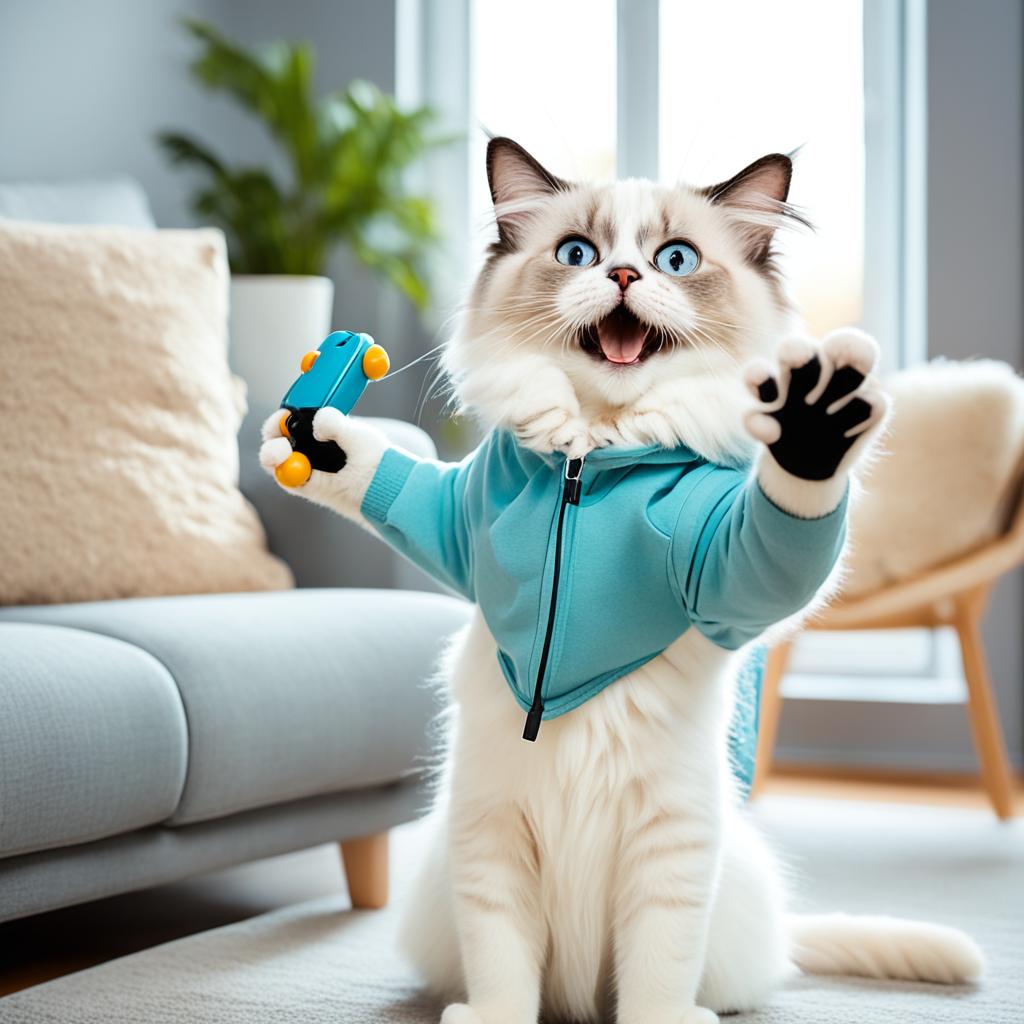
Getting to know how to quiet a vocal Ragdoll Cat is closely tied to their genetic traits. Like Siamese cats tend to be talkative, some Ragdolls share this feature. So, when you wonder, “Why does my Ragdoll cat talk so much?” think of their family lines. Although not all Ragdolls chatter, this may explain why some do.
Not every Ragdoll talks a lot, but family history can suggest why some do. Knowing this helps set expectations and manage their meowing if it starts. The point is, it’s more about the cat’s unique genes than the whole breed being loud.
Some Ragdoll cats are quiet, others are talkative, more like their Siamese relatives. This variety makes each Ragdoll special, adding to their unique charm.
To handle a loud Ragdoll, understand their unique genetic gifts. This insight can help you make changes that might reduce their meowing. Knowing where their habits come from helps you create a home that fits their needs, and keeps a peaceful balance.
Physical Illness and Ragdoll Cat Meowing Habits

Recognizing changes in your Ragdoll cat’s meowing is key. These changes can hint at health problems. Ragdolls may meow more if they’re in pain or uncomfortable because of certain illnesses.
Common Health Issues
Ragdoll cats face health issues, including kidney disease and diabetes. These illnesses can make them meow a lot. They might meow because they need food or water but can’t get it easily due to their condition.
Signs of Pain and Discomfort
It’s important to notice any signs that your cat might be in pain. One big sign is a change in their meowing. If they meow differently, especially at strange times, it could mean they’re not feeling well.
Dealing with a cat that’s more vocal than usual because of health issues needs a special touch. Managing a talkative Ragdoll Cat correctly starts with understanding and meeting their health needs.
| Health Issue | Symptoms | Possible Interventions |
|---|---|---|
| Chronic Kidney Disease | Increased thirst, weight loss, frequent urination, meowing for water | Regular vet check-ups, specialized diet, hydration management |
| Diabetes | Weight loss, increased appetite, lethargy, meowing for food | Insulin therapy, dietary changes, consistent monitoring |
| Dental Issues | Difficulty eating, drooling, pawing at mouth, meowing in pain | Dental cleaning, tooth extraction, pain management |
Improving your cat’s health can make them meow less. Always talk to a vet if your cat is meowing more. Being proactive in your cat’s health and understanding them is the best way to help them calm down.
Aging and Increased Vocalization in Ragdoll Cats

As Ragdoll cats get older, they might meow more. This is often due to age-related changes. As their vision and hearing get weaker, they might meow for various reasons. They could be confused, seeking reassurance, or in pain.
Old age brings about diseases that make your cat meow more. For example, arthritis or kidney problems can lead to discomfort. This discomfort can make them meow frequently. It’s important to tend to both their physical and emotional well-being to help calm them down.
“It’s crucial to recognize that as Ragdoll cats age, their needs evolve, and increased vocalization is often their way of communicating these changes to you,” explains renowned veterinarian Dr. Sarah Williams.
Senility, or cognitive dysfunction, can also be a cause. It’s like dementia in people and can lead to confusion. This confusion might make them meow for no clear reason. A calm, predictable setting can ease their anxieties. This strategy helps Ragdolls age in a peaceful way.
To help a meowing Ragdoll cat, it’s crucial to understand what’s behind their meows. This may require medical help or just adapting their living space. Taking a proactive approach to their care can limit excessive meowing. This ensures your beloved pet is as comfortable as possible.
Anxiety and Stress Leading to Vocalization
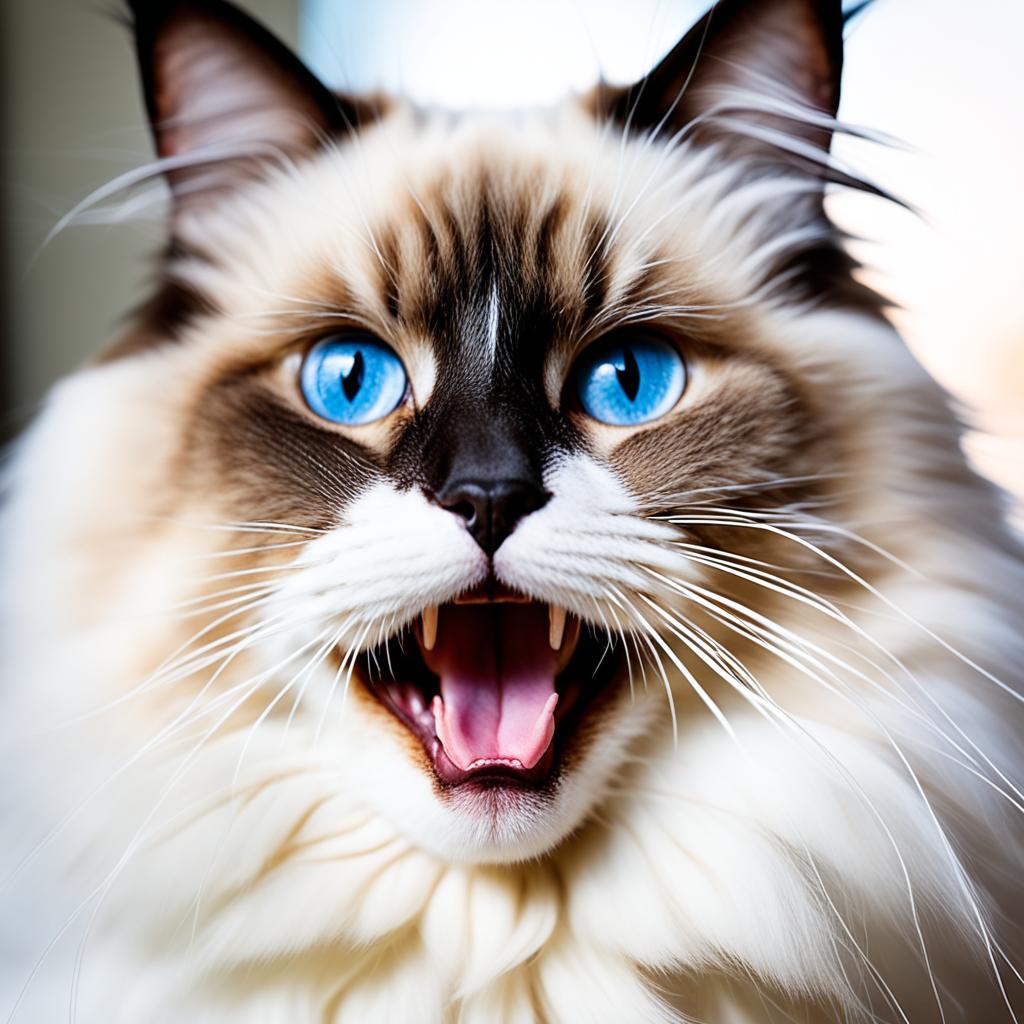
Ragdoll cats are known for being loving and gentle. But, they may meow a lot when they’re anxious or stressed. To help calm them down, it’s important to know why they’re meowing.
Separation Anxiety
Ragdoll cats really bond with their people. When they’re apart, they can get quite anxious. This anxiety might cause them to meow more than usual.
Environmental Stressors
Big changes at home can really bother a Ragdoll cat. Things like moving, bringing in a new pet, or changing the furniture can make them uneasy. When they’re stressed, they might meow to show they need comfort.
Attention Seeking Behavior in Ragdoll Cats
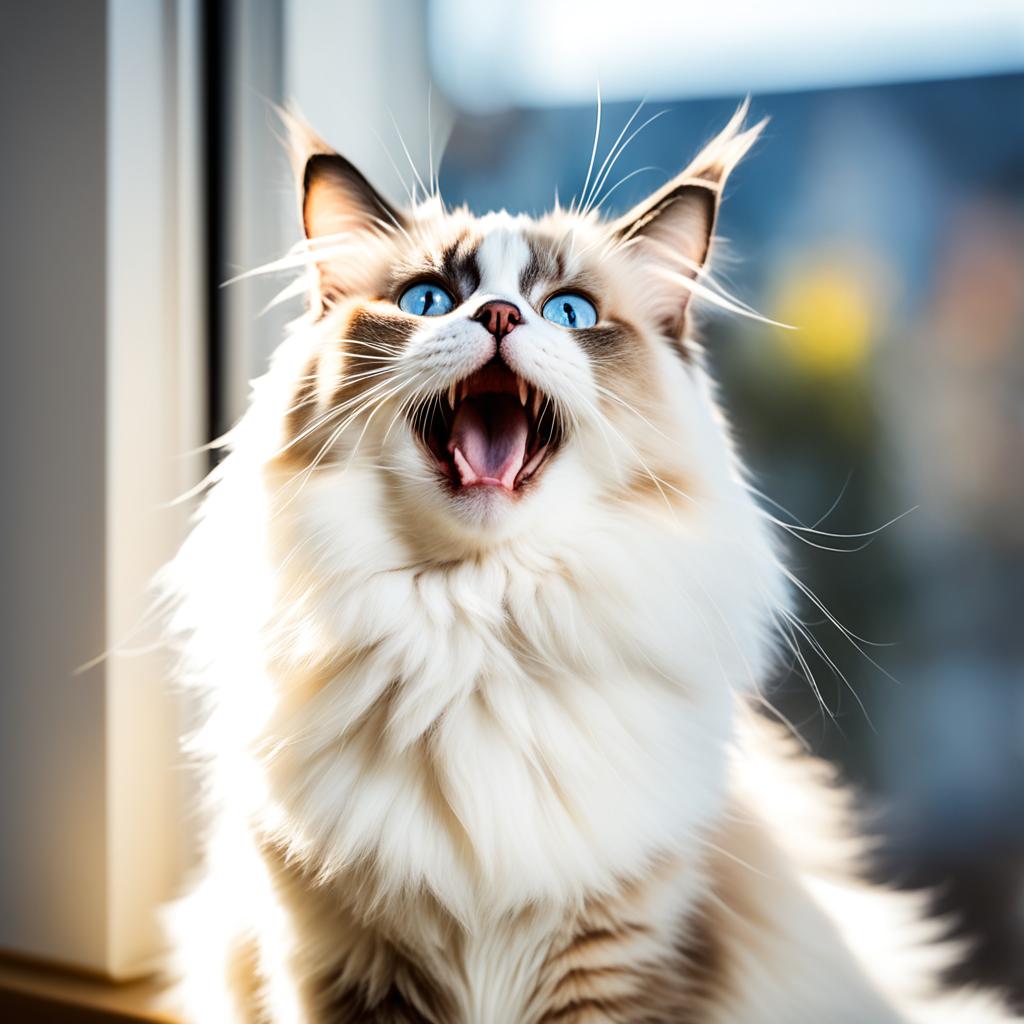
Is your Ragdoll cat constantly meowing for your attention? This behavior is common in Ragdolls. They meow to get you to pet them, give treats, or cuddle them.
To stop this, you need to know what causes it. If you react with love every time they meow, they will continue. Here are some tips for dealing with a vocal Ragdoll cat:
- Be consistent in ignoring their meows for attention. Give them extra love when they’re quiet.
- Play with them regularly to tire them out and keep them mentally sharp.
- Stick to feeding times and don’t feed them outside those times, even if they ask.
Ragdoll cats meow because they want to socialize. By setting limits and recognizing their signals, you can keep their meowing in check. This makes life better for both of you.
Let’s simplify the behavior and how to deal with it:
| Behavior Trigger | Response Strategy |
|---|---|
| Attention-Seeking Meows | Ignore constant meowing; reward quiet times with love. |
| Playfulness & Energy | Play with them often to keep them happy and tired. |
| Hunger Cues | Keep meal times regular; don’t give into snacks between meals. |
Why Is My Ragdoll Cat So Vocal?

Figuring out why your Ragdoll cat meows a lot is an interesting quest. It lets you understand what your cat might want or feel. Their meows are like a secret language, revealing clues about their needs.
Insights from Cat Owners
People who have Ragdoll cats often tell stories about their pets’ meowing. For example, Jenny Dean’s cat, Charlie, loves to chat. He meows a lot when he’s got his toys or is spending time with people. And, when Ragdolls get older, they might meow more. This could mean they’re not feeling well.
Expert Opinions
Vets and animal behavior experts have a lot to say about Ragdoll cats and their meows. They point out that many things can make a Ragdoll meow, from their genes to their health. How a Ragdoll cat communicates is complex. But, with expert knowledge, you can better understand what your cat is saying.
Managing a Talkative Ragdoll Cat
Dealing with a talkative Ragdoll cat might be hard. Yet, making a calm environment can reduce their need to meow a lot. A steady routine helps them feel safe and know what to expect. This keeps them from being loud because of stress.
Creating a Calming Environment
For a talkative Ragdoll cat, quiet places are key. Set up a cozy space in your home for them. This spot should be free from loud noises and strangers. Doing this helps keep your cat quiet and happy.
It’s also important to use positive reinforcement. Give your cat treats or love when they are quiet. Don’t give them attention if they meow too much for it. This helps them learn better ways to get what they want.
Lastly, make sure your cat’s needs are always met. This includes food, water, and a clean litter box. By doing this, you should see your Ragdoll cat meowing less. Following these steps can make your home a more peaceful place.
FAQ
Why is my Ragdoll cat so vocal?
Ragdolls are known for their love and bright blue eyes. They meow a lot for many reasons. This can be from wanting to play, needing something, or feeling uncomfortable. Listening to your Ragdoll helps you understand them better.
What are common personality traits of Ragdoll cats?
Ragdoll cats are calm, gentle, and like being close to people. They’re known for acting like dogs. This makes them great friends who love to be around their owners.
What are some unique vocal tendencies in Ragdoll cats?
Although Ragdolls are usually quiet, some like to talk. They might meow to play, talk back to you, or make their toys respond. Their meows can tell you what they need or how they’re feeling.
How does genetics play a role in Ragdoll cat vocalization?
Some Ragdolls may be more talkative because of their genes. This is similar to Siamese cats. But remember, not all Ragdolls are chatty, and it depends on the cat.
What are common health issues that can affect a Ragdoll cat’s meowing habits?
Health problems can make a Ragdoll meow more. Issues like kidney disease or diabetes might cause discomfort. If they meow a lot for water or food, they could be telling you something’s wrong.
What signs of pain and discomfort should I watch for in my Ragdoll cat?
If your Ragdoll starts meowing differently, they might be in pain. This could come from toothaches, bad senses, or other health troubles. Watch for more intense or frequent meows.
Why might my aging Ragdoll cat meow more?
As Ragdolls get older, their senses might weaken. They could also get more health problems. This leads to more meowing. They might meow because they’re confused, lost, or in pain.
How can anxiety and stress lead to vocalization in Ragdoll cats?
If a Ragdoll gets anxious or stressed, they might meow more. This could happen from moving, separation anxiety, or other big changes. They meow to show they’re scared or upset.
How does separation anxiety affect my Ragdoll cat’s meowing?
Ragdolls that fear being alone might meow a lot when they are. To help, create a peaceful home environment. This may lessen how much they meow out of fear or worry.
What environmental stressors can lead to increased vocalization in Ragdoll cats?
New environments, pets, or shifts at home can stress a Ragdoll. This stress could make them meow more. Finding and cutting out these stressors can soothe your cat.
How can attention-seeking behavior lead to vocalization in Ragdoll cats?
If meowing has gotten a Ragdoll attention before, they might meow for more. Managing this means meeting their needs without always giving in to meows. Understand what they want and respond wisely.
What insights do cat owners and experts offer about Ragdoll cats’ vocal behavior?
Owners and experts point out that each Ragdoll is different. They meow for their own reasons. To truly understand your cat’s meowing, look at what’s unique about your cat and its situation.
How can I manage a talkative Ragdoll cat?
To help them meow less, create a calm home and stick to a routine. Cut out stress as much as possible. Reward silence and make sure they have everything they need. This can lower their need to meow too much.


