
Have you ever wondered why your Savannah cat is suddenly vomiting everything on your favorite rug? While it might be easy to dismiss it as a one-off incident, vomiting can actually be a sign of deeper health issues. From poor diet and fast eating habits to underlying health conditions, there are various Savannah Cat vomiting causes that you should be aware of. The key to ensuring your feline friend’s wellbeing is a thorough understanding of these causes and quick intervention. Did you know that using slow feeder bowls, typically designed for dogs, can help prevent quick ingestion in cats? Additionally, switching to a canned or raw diet might just be the game-changer your pet needs.
Key Takeaways
- Vomiting in Savannah cats can indicate various underlying health issues.
- It’s essential not to ignore the signs of vomiting.
- Utilizing slow feeder bowls can mitigate fast eating, a common cause of vomiting.
- Transitioning to a high-quality canned or raw diet can alleviate digestive problems.
- Quick diagnosis and intervention are crucial for your cat’s health and comfort.
Common Symptoms of an Upset Stomach in Savannah Cats

Identifying Savannah Cat vomiting symptoms early on is essential for your feline’s well-being. A sick cat is often distressed, which is why picking up on any signs of gastrointestinal discomfort quickly matters. Pay attention to both the obvious and more subtle signals your Savannah cat might be exhibiting.
Vomiting
Vomiting is a clear indicator that something is amiss. Observing frequent episodes can be distressing, and it’s crucial to know the causes quickly. Alongside vomiting, other Savannah Cat vomiting symptoms might manifest, making it essential to address these signs promptly.
Diarrhea
A close companion to vomiting, diarrhea may also signal an upset stomach in your Savannah cat. Cleaning up after such incidents is no fun, but recognizing them as symptoms helps in diagnosing potential underlying issues. Most effective Savannah Cat vomiting remedies also target such gastrointestinal disturbances.
Nausea and Reduced Appetite
Nausea can be a pesky symptom to detect. If your cat displays a sudden disinterest in food, excessive lip licking, or even eats grass, these can all point towards nausea. Furthermore, reduced appetite is not just about meals missed; it can signify deeper health concerns demanding immediate attention and possibly warranting consultation on Savannah Cat vomiting remedies.
Why Is My Savannah Cat Vomiting?

Ever wondered why your feline friend is having those barfing episodes? Understanding the Savannah Cat vomiting causes and solutions is key to giving your pet the comfort they deserve. A multitude of factors can lead to these unpleasant situations, but don’t worry—we’ve got you covered.
One of the primary Savannah Cat vomiting causes and solutions revolves around sudden dietary changes. Cats are notorious for being picky eaters, and any abrupt modification in their food can trigger an upset stomach. If you’re switching their diet, do it gradually to give their digestive system time to adjust.
Another reason could be the ingestion of unsuitable food. Cats often explore with their mouths, leading them to consume things they shouldn’t. Be vigilant about what your Savannah cat can access in your home, as even some houseplants can be toxic and cause vomiting.
Stress is another significant contributor. Environmental changes, such as moving to a new home or introducing new pets, can distress your Savannah cat. Providing a stable and secure environment can mitigate stress-induced vomiting.
Here’s a quick table to give you a snapshot of common triggers:
| Trigger | Description | Solution |
|---|---|---|
| Dietary Changes | Sudden switch in food types | Gradual diet transition |
| Ingesting Unsuitable Food | Consumption of harmful substances | Monitor home environment |
| Stress Factors | Environmental changes, new pets | Provide a stable home |
Recognizing the Savannah Cat vomiting causes and solutions quickly allows for prompt action, making sure your furry friend stays healthy and happy.
Common Causes of Vomiting in Savannah Cats

Understanding why your Savannah cat may be vomiting is crucial to ensuring their health and happiness. Several factors can lead to this unpleasant occurrence, and being well-informed will empower you to take the best possible care of your furry friend.
A change in diet is often a benign cause of vomiting. If you’ve recently switched up their food, your cat’s digestive system might need time to adjust. Sometimes, though, the problem can be more serious.
Medical issues such as chronic kidney disease or liver problems could also be behind the vomiting. These conditions often require the intervention of your vet to properly diagnose and treat. Additionally, gastrointestinal disorders and infections may be responsible for your Savannah cat’s upset tummy.
Another common cause could be the ingestion of something they shouldn’t have eaten. Cats are curious by nature, and they might nibble on plants, household chemicals, or other harmful substances. Therefore, it’s vital to cat-proof your home to avoid such hazards.
Here’s a quick look at some of the more frequent triggers for vomiting in Savannah cats:
| Cause | Description |
|---|---|
| Diet Changes | Transitioning to a new kind of food can upset your cat’s stomach. |
| Medical Conditions | Chronic illnesses like kidney disease or liver problems. |
| Gastrointestinal Disorders | Infections or other issues in the digestive tract. |
| Ingestion of Harmful Substances | Eating plants, chemicals, or other non-food items. |
Having these insights helps you make informed decisions and provides the necessary Savannah Cat vomiting advice to keep your feline companion in great shape. Pay close attention to their diet, and consult your veterinarian regularly to rule out any serious health problems.
Food-Related Triggers

Food plays a crucial role in maintaining your Savannah cat’s digestive health. It’s essential to be aware of various food-related triggers that might lead to vomiting, ensuring both Savannah Cat vomiting prevention and effective Savannah Cat vomiting treatment.
Quality of Food
High-quality, protein-rich food is non-negotiable for your Savannah cat. Popular brands like Royal Canin Kitten often contain fillers which might not sit well with your feline friend. Opting for nutrient-dense, filler-free options will go a long way in Savannah Cat vomiting prevention.
Eating Too Fast
Ah, the good old fast eater! Inhaling food at lightning speed can lead to digestive issues and subsequent vomiting. Slow feeder bowls come to the rescue here, ensuring that your Savannah cat paces their meals, thus aiding in Savannah Cat vomiting treatment.
New Diet or Human Food
Introducing new foods or letting your cat indulge in human-grade food might seem like a treat but can cause digestive upheaval. Stick to tried-and-tested diets to keep their stomachs happy and reduce instances of vomiting, focusing on Savannah Cat vomiting prevention techniques.
Undermade of Eating too fast

While watching your Savannah cat gobble down its food like there’s no tomorrow can be amusing, it’s essential to recognize that speed-eating may have underlying consequences for its health. The rapid ingestion can trigger a multitude of serious conditions that result in vomiting.
Gastrointestinal Issues
One critical aspect of Savannah Cat vomiting causes is gastrointestinal problems. When food is consumed too quickly, it doesn’t break down efficiently, resulting in issues such as gastritis or inflammatory bowel disease (IBD). These disturbances can lead to frequent vomiting, requiring a detailed Savannah Cat vomiting diagnosis by your vet to address the pinpointed condition.
Kidney Disease
Among the prolonged Savannah Cat vomiting causes, kidney disease stands out, particularly in older cats. When your Savannah cat’s kidneys are not functioning optimally, toxins accumulate in the bloodstream, irritating their stomach and causing vomiting. A thorough Savannah Cat vomiting diagnosis is essential to detect and manage this chronic condition effectively.
Liver Disease
Liver disease is another serious condition linked to Savannah Cat vomiting causes. When the liver fails to filter toxins from the blood, it can lead to frequent vomiting episodes. This makes scheduling a timely Savannah Cat vomiting diagnosis vital, as early detection of liver issues can significantly influence your cat’s treatment and recovery process.
Stress and Environmental Factors
Stress can have a significant impact on the health of your Savannah Cat. It’s crucial to recognize and manage these stressors to keep your feline friend happy and healthy. One common cause of stress-related vomiting is a sudden change in the cat’s environment.
Moving to a New Home
Relocating to a new home can unsettle your cat, leading to symptoms such as vomiting. During this period, it’s essential to maintain a familiar routine and offer comfort items such as favorite toys or bedding. This can provide some stability and lessen the anxiety that might cause vomiting.
Introduction of New Pets
Bringing a new pet into the household can also be a source of stress for your Savannah Cat. This transition needs to be handled delicately. Start with slow and gradual introductions to the new pet to minimize your cat’s stress. Keeping their personal space safe and undisturbed can reduce anxiety and prevent stress-induced vomiting.
Here’s some practical Savannah Cat vomiting advice to consider when addressing environmental stressors:
- Maintain a consistent routine.
- Offer familiar items to provide comfort.
- Introduce new pets gradually.
- Provide a quiet and safe space for your cat.
Following these Savannah Cat vomiting remedies can help create a calm and reassuring environment, reducing the risk of stress-induced vomiting.
Home Remedies for Mild Cases
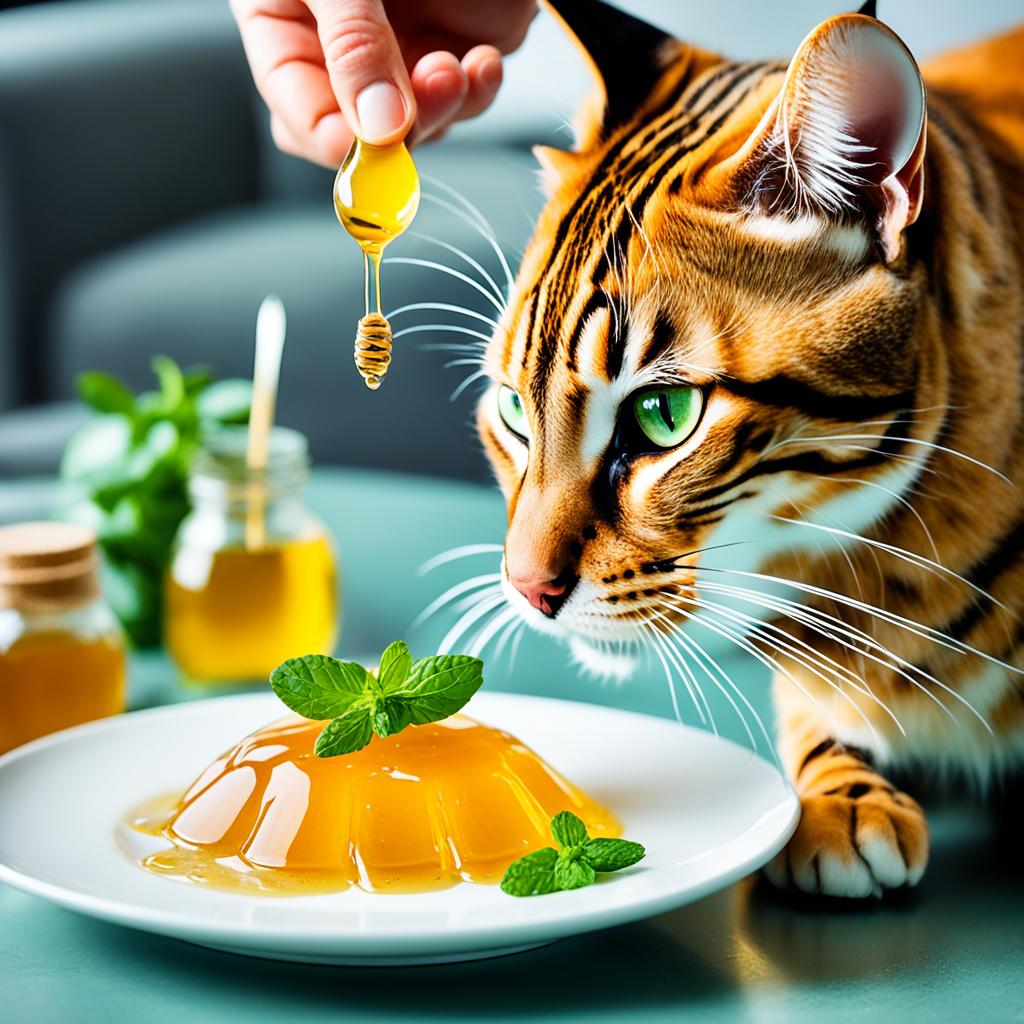
For those mild cases where your Savannah cat has an upset stomach, you can implement several simple yet effective home remedies. A bland diet is often the go-to solution. Consider feeding your cat boiled chicken or turkey with rice. Keeping the diet soft and unseasoned helps ease digestive irritation.
Adding probiotics to your Savannah cat’s meals can greatly enhance gut health. Probiotic supplements are available in powder or chewable form and can help restore a healthy balance of bacteria in the digestive system, proving to be excellent Savannah Cat vomiting remedies.
Another effective Savannah Cat vomiting treatment includes regular worming treatments. Parasitic infestations can often be a hidden cause of stomach upsets and vomiting in cats. Keeping up with deworming schedules ensures a parasite-free gut.
Stress can also trigger vomiting. Using synthetic pheromone diffusers may help alleviate stress-related scenarios. These diffusers emit calming scents that can make your cat feel more secure, minimizing vomiting episodes due to anxiety or environmental changes.
When to Seek Veterinary Care

If your Savannah cat shows any alarming symptoms, it’s crucial to act quickly. Taking proactive measures ensures your cat maintains optimal health and well-being.
Severe Symptoms
Be on the lookout for severe symptoms such as excessive vomiting or notable distress. This isn’t just a minor hiccup; it could be a significant issue requiring immediate attention. Understanding Savannah Cat vomiting symptoms may help recognize early warning signs.
Prolonged Vomiting
Constant vomiting over long periods is a red flag you shouldn’t ignore. If your Savannah cat can’t keep anything down, it’s time to consult your veterinarian. Savannah Cat vomiting prevention strategies can be discussed to avoid future occurrences.
Blood in Vomit
The presence of blood in your cat’s vomit is an urgent matter that needs professional care. This can indicate serious internal problems that go beyond ordinary treatment methods. For Savannah Cat vomiting prevention, regular check-ups can be invaluable.
If you spot any of these signs in your Savannah cat, don’t hesitate. Swift action is essential for your pet’s health and can help prevent severe consequences.
Preventing Future Episodes of Vomiting

Effective Savannah Cat vomiting prevention involves several strategic measures. Firstly, you should consistently monitor and evaluate your cat’s dietary habits. Make necessary adjustments if their current diet seems to contribute to vomiting episodes.
Reducing stress-inducing factors in their environment is also vital. Cats are sensitive creatures, and minimizing stress can prevent future vomiting episodes. Ensuring regular veterinary health assessments is another crucial aspect to maintain your Savannah cat’s wellbeing, nipping any potential health issues in the bud.
Stay vigilant regarding any sudden behavioral or physical changes in your Savannah cat that may indicate an unsettled stomach. Timely intervention will go a long way in Savannah Cat vomiting prevention.
- Monitor and evaluate dietary habits
- Reduce environmental stressors
- Ensure regular veterinary assessments
- Be attentive to sudden changes
Achieving comprehensive Savannah Cat vomiting prevention requires a holistic approach, balancing diet, environment, and health monitoring.
The Role of Diet in Preventing Vomiting

When it comes to managing your Savannah cat’s health, diet plays a crucial role in preventing vomiting. This section delves into effective dietary strategies to help you keep your feline friend happy and healthy.
Slow Feeder Bowls
One of the simplest yet most effective ways for Savannah Cat vomiting prevention is using slow feeder bowls. These bowls are designed to prevent rapid ingestion, which is often a primary cause of vomiting. By slowing down your cat’s eating pace, you can reduce the likelihood of them throwing up after meals.
Protein-Rich Foods
Dietary quality is paramount. Feeding your Savannah cat protein-rich foods ensures they receive essential nutrients necessary for maintaining optimal health. Many commercial cat foods contain fillers that can lead to digestive issues. Instead, opt for high-quality brands that prioritize protein as the main ingredient, thus aiding in Savannah Cat vomiting prevention.
Canned or Raw Diets
Exploring other dietary options, such as canned or raw foods, can also contribute to Savannah Cat vomiting treatment. These diets often contain fewer preservatives and fillers, making them easier on your cat’s digestive system. By transitioning to a more natural diet, you may find a significant reduction in vomiting episodes, helping manage your pet’s health more effectively.
Monitoring and Adjusting Feeding Habits
Have you ever wondered why your Savannah cat is vomiting more often than you’d like? A key element to reducing these episodes lies in properly monitoring and adjusting their feeding habits. Taking small steps can make a big difference in your cat’s digestive health.
Firstly, portion control is essential. You don’t want to overfill their bowl, leading to overeating and subsequent vomiting. Instead, calculate the appropriate portion size based on their weight and activity level. Secondly, the frequency of meals matters. Instead of one or two large meals, opt for smaller, more frequent meals throughout the day. Breaking up their eating times can help manage their digestion more effectively.
Selecting the right food is also pivotal. Savannah cats thrive on high-protein diets, so choose food that’s rich in quality proteins and low in fillers. Avoid sudden changes in their diet, as this can trigger digestive upsets. When introducing a new type of food, gradual transition is key.
Here are some Savannah Cat vomiting advice and Savannah Cat vomiting remedies tips to keep in mind:
- Portion Control: Measure your cat’s food to avoid overeating.
- Frequent Meals: Feed small portions multiple times a day.
- Quality Food: Opt for high-protein diets and avoid fillers.
- Gradual Changes: Introduce new foods slowly to their diet.
These adjustments may seem minor, but they can significantly reduce the frequency of vomiting episodes in your Savannah cat, ensuring they stay healthy and happy.
Conclusion
Understanding the multifaceted causes of vomiting in Savannah cats is crucial for providing the appropriate care and preventing future incidents. Recognizing the underlying factors—whether dietary, environmental, or health-related—empowers you to take affirmative action in ensuring your cat’s comfort and well-being. A rapid response to symptoms with effective strategies such as diet adjustments or stress reduction is fundamental to maintaining your Savannah cat’s health.
From managing food quality and eating speed to being vigilant about potential stressors, each detail plays a pivotal role. Slow feeder bowls, protein-rich foods, and engaging in regular veterinary checkups are practical measures that can make a significant difference. When in doubt, always refer to a vet to diagnose and treat any underlying health issues promptly. Implementing these preventative strategies consistently will cultivate a healthier, happier life for your Savannah cat.
In essence, by staying proactive and informed about Savannah cat vomiting causes and solutions, and applying the discussed preventive measures, you can effectively mitigate the risk of recurring vomiting episodes. Your dedication to refining your cat’s diet and minimizing stressors will ensure their continued comfort and well-being. Remember, a meticulous approach to your feline’s health, coupled with professional guidance, is the key to a thriving and contented Savannah cat.
FAQ
Why Is My Savannah Cat Vomiting?
Vomiting in Savannah cats can be caused by various factors, including dietary changes, ingestion of unsuitable food, stressors such as environmental changes, or underlying health conditions like gastrointestinal issues or chronic kidney disease. Identifying the root cause is essential for effective treatment and care.
What Are the Common Symptoms of an Upset Stomach in Savannah Cats?
Common symptoms include vomiting, diarrhea, reduced appetite, excessive lip licking, avoidance of the food bowl, and eating grass. Observing these signs can indicate a gastrointestinal disturbance.
How Can I Prevent My Savannah Cat from Vomiting Due to Eating Too Fast?
Slow feeder bowls are an effective solution to prevent rapid eating, reducing the risk of vomiting. These bowls are designed to slow down your cat’s eating pace, which can help prevent digestive upset.
What Role Does Diet Play in Preventing Vomiting in Savannah Cats?
A protein-rich diet with high-quality ingredients is crucial. Transitioning to canned or raw foods can improve digestive health, while avoiding food containing fillers that might lead to digestive issues is recommended.
When Should I Seek Veterinary Care for My Vomiting Savannah Cat?
Seek veterinary care if your Savannah cat exhibits severe symptoms such as continuous vomiting, prolonged vomiting over several days, or the presence of blood in their vomit. These symptoms may indicate a serious health issue that requires immediate attention.
How Do Stress and Environmental Factors Affect Vomiting in Savannah Cats?
Stressful events like moving to a new home or introducing new pets can lead to stress-induced vomiting. Managing these factors by providing a stable environment and minimizing stress can help reduce the likelihood of vomiting.
Are There Home Remedies for a Mildly Upset Stomach in Savannah Cats?
Yes, preparing a bland diet, integrating probiotics to promote gut health, and ensuring regular worming treatments can help. Synthetic pheromone diffusers can also alleviate stress-related issues.
What Should I Look for in the Quality of Food for My Savannah Cat?
Ensure the food is rich in animal protein and free from fillers or artificial ingredients. Brands that focus on high-quality ingredients are preferred to prevent digestive issues that can cause vomiting.
What Are the Common Health Conditions That Cause Vomiting in Savannah Cats?
Health conditions such as gastrointestinal problems, inflammatory bowel disease, chronic kidney disease, and liver complications can all lead to vomiting. Older cats are particularly susceptible to these issues.
E: How Can I Monitor and Adjust My Savannah Cat’s Feeding Habits?
Regularly monitor meal portions, adjust meal frequency, and ensure the selection of appropriate foods. Continuous observation and refinement of feeding habits contribute to reducing vomiting episodes and maintaining optimal health.
What Environmental Factors Can Trigger Vomiting in Savannah Cats?
Changes such as moving to a new home or the introduction of new pets can be significant stressors that trigger vomiting. Creating a stable and stress-free environment is crucial in mitigating these issues.


