
Ever wonder why your affectionate Scottish Fold suddenly goes missing? One moment they’re purring contentedly in your lap, and the next they’re nowhere to be found! Understanding this cryptic behavior can be a head-scratcher for many cat owners, but fear not. By delving into the reasons for cat hiding, particularly focusing on the unique Scottish Fold cat behavior, you can unravel the mystery behind their disappearance. From their genetic predispositions to environmental and health factors, let’s explore what might be driving your feline friend to seek solitude.
Key Takeaways
- Scottish Folds have unique genetic traits influencing their behavior.
- Environmental changes can prompt hiding behavior in these cats.
- Fear and anxiety are common reasons for cats to seek solitude.
- Health issues can drive your Scottish Fold into hiding.
- Understanding cat hiding can improve your bond with your pet.
Understanding Scottish Fold Cat Behavior

Scottish Folds are a fascinating breed characterized by their affectionate nature and adaptability. One of their most distinctive features is their folded ears, giving them an endearing appearance. However, to truly understand these charming felines, it’s essential to delve into their behavior patterns.
The social dynamics of Scottish Folds are particularly intriguing. Unlike some other cat breeds, Scottish Folds often seek out human interaction and love being in the company of their owners. But don’t let their outgoing nature fool you. Recognizing their subtle communication methods can provide valuable insights into why they might retreat into hiding.
One of the key aspects of understanding Scottish Fold cat hiding habits lies in observing their responses to various stimuli. Changes in the household, loud noises, or even unfamiliar guests can prompt these cats to seek hidden sanctuaries. This behavior is not just a sign of discomfort; it’s a coping mechanism that helps them manage stress.
If you notice your feline friend diving under the bed or disappearing into closets, consider these cat hiding tips:
- Observe their triggers: Keep an eye on what prompts their hiding. Is it the vacuum cleaner, a new pet, or perhaps a thunderstorm?
- Create a safe space: Designate a quiet and cozy corner where they can retreat without feeling threatened.
- Offer positive reinforcement: Reward them when they venture out from their hiding space, helping them associate it with safety and comfort.
By gaining a deeper understanding of Scottish Fold cat hiding habits and employing these cat hiding tips, you can enhance your bond with your feline companion, ensuring they feel safe and loved in their environment.
Common Reasons for Cat Hiding

It’s not uncommon for cats, including our beloved Scottish Folds, to seek refuge in hidden areas. But what drives these furry friends to become elusive? Let’s dive into the key reasons behind this behavior and explore some cat hiding solutions.
Fear and Anxiety
Cats may retreat to hiding spots when they’re feeling scared or anxious. Loud noises, unfamiliar people, or other pets can trigger this reaction. In many cases, providing a safe and quiet space can help alleviate their anxiety. This is where understanding the reasons for cat hiding can be crucial to offering comfort.
Health Issues
Another significant factor is health problems. When cats are feeling unwell, they often instinctively seek solitude. They may find comfort in isolation to rest and heal. Regular veterinary check-ups can help identify any health concerns early on, thus addressing the underlying reasons for cat hiding.
Change in Environment
Changes in the environment, such as a move to a new home or even rearranging furniture, can unsettle a cat and prompt hiding behavior. These creatures of habit crave stability and may seek out cat hiding spots to feel secure again. Finding consistent areas where your cat can retreat to might be one of the top cat hiding solutions to this problem.
Understanding these key reasons can help you create a more stable and comforting environment for your cat, ensuring they feel safe and secure whether they’re dealing with fear, health issues, or environmental changes.
Hiding Spots Your Scottish Fold Prefers

Scottish Folds are known for their love of cozy and safe retreats. These lovable felines often seek out cat hiding spots that offer peace and protection. Recognizing these preferred hiding places can help you better understand the innate Scottish Fold cat hiding habits and accommodate their needs effectively.
Under Furniture
Your Scottish Fold might disappear under the sofa or bed, utilizing these spaces as their sanctuary. Such cat hiding spots provide a sense of security where they feel shielded from potential threats, offering tranquility amidst household hustle and bustle.
Inside Closets
Another favored choice for hiding is the closet. The enclosed, dark spaces offer the perfect hideaway for any Scottish Fold. These spots resonate with their natural instinct to find quiet, safe refuges where they can stay unnoticed and at peace.
Why Is My Scottish Fold Cat Hiding?

When you find yourself asking, “Why is my Scottish Fold cat hiding?” it’s important to consider a few key factors that could be influencing this behavior. Scottish Folds are known for their unique personalities, but like all cats, they have reasons for seeking seclusion. By understanding cat hiding, you’ll be better equipped to address it.
First, emotional responses such as stress, fear, or anxiety can be significant contributors. Changes in the home environment, loud noises, or the presence of unfamiliar pets can drive your Scottish Fold to seek out a quiet, hidden spot.
Second, possible health issues should never be overlooked. A cat will instinctively hide when experiencing discomfort or pain as a way to protect themselves. Regular observations and veterinary check-ups are crucial in identifying any underlying medical problems.
Lastly, a variation in daily routines or behavior might also give you clues. If your Scottish Fold suddenly starts hiding more than usual, try to identify any recent changes in their surroundings or interactions. This will help you in understanding cat hiding from a broader perspective.
The Role of Genetics in Scottish Fold Behavior
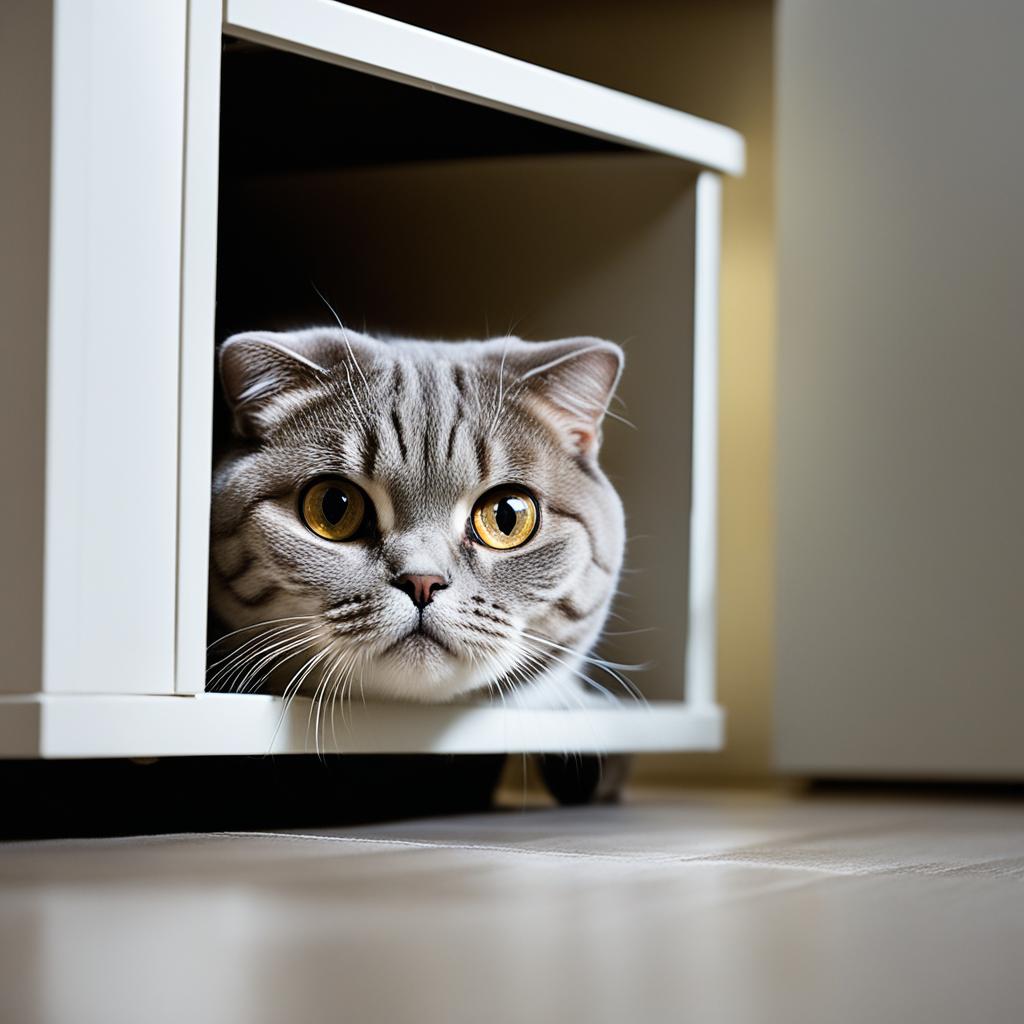
Understanding the fascinating Scottish Fold cat behavior requires a voyage into their genetic makeup. These adorable felines owe their distinctive folded ears to an autosomal dominant gene, which, while contributing to their unique appearance, also plays a role in their behavior.
The folded-ear trait, while endearing, is linked to health issues like osteochondrodysplasia. This condition, which affects cartilage and bone development, can cause discomfort or pain, leading to a greater propensity for hiding. As any cat lover knows, when a cat experiences discomfort, they often seek solitude as a coping mechanism.
Incorporating effective cat hiding solutions into your home can help alleviate some of the stress associated with these genetic conditions. Providing comfortable and accessible hiding spots can make a world of difference for your furry friend. Comfortable furnishings, soft bedding, and easy access to favorite quiet spots are all part of understanding and managing Scottish Fold cat behavior.
| Behavioral Aspect | Influence of Genetics |
|---|---|
| Folded Ears | Caused by an autosomal dominant gene |
| Seeking Solitude | Linked to discomfort from osteochondrodysplasia |
Being aware of the genetic factors at play helps you better understand why your Scottish Fold may exhibit certain behaviors. With this knowledge, you can implement the right cat hiding solutions to ensure your pet feels safe, comfortable, and cared for.
How to Comfort a Hiding Cat

When your beloved Scottish Fold decides to take refuge in some snug corner, understanding and empathy go a long way. Comforting a hiding cat requires creating an environment where they feel secure and gradually easing their anxiety. Let’s unravel some effective cat hiding tips below.
Provide a Safe Space
Your cat’s hiding spot should be a haven of tranquility. Create a cozy nook using soft bedding, blankets, or even a cardboard box. Position it in a low-traffic area where your furry friend won’t be disturbed. Incorporate familiar scents by placing a piece of your worn clothing in the space. This simple act can work wonders in making your cat feel protected.
Use Calming Products
Modern pet care offers an array of calming products designed specifically for anxious cats. Pheromone diffusers, for instance, mimic natural feline facial pheromones, which can significantly reduce stress. Likewise, anxiety-relieving toys, such as those infused with catnip or valerian, can encourage your cat to relax and step out of their hideaway more confidently. These practical cat hiding tips are sure to make a difference.
| Method | Details |
|---|---|
| Safe Space | Use bedding, blankets, or boxes in quiet areas with familiar scents for comfort. |
| Calming Products | Pheromone diffusers and anxiety-relieving toys can soothe your hiding cat effectively. |
If you’re wondering how to help a hiding cat, these strategies provide a strong foundation. Remember, patience and a gentle approach are key to reassuring your Scottish Fold.
When to Seek Veterinary Advice
If your Scottish Fold cat’s hiding behavior has you feeling like they’re auditioning for a spy movie, it might be time to dig a little deeper into the reasons for cat hiding. Cats are masters of concealment, but when it becomes a persistent issue, seeking professional help is a smart move.
One major aspect of Scottish Fold cat behavior is their knack for hiding when something is amiss. This could range from health concerns to environmental stressors. It’s crucial to consult with a veterinarian if you spot any signs of illness accompanying their disappearing act. Things like changes in appetite, weight loss, or lethargy could all be underlying reasons for cat hiding.
A veterinarian can conduct a thorough examination and potentially run diagnostic tests to rule out health issues that might be making your feline friend feel less than stellar. Proactive veterinary care not only ensures your cat’s wellbeing but also sheds light on any medical conditions that could be influencing their behavior. Remember, understanding the intricacies of Scottish Fold cat behavior can greatly enhance your kitty’s quality of life.
Here’s a quick reference guide you might find helpful:
| Reasons for Cat Hiding | Symptoms to Watch For | Next Steps |
|---|---|---|
| Illness or Pain | Weight loss, changes in appetite, lethargy | Consult veterinarian immediately |
| Environmental Stress | Excessive hiding, behavioral changes, overgrooming | Assess and modify environment |
| Fear and Anxiety | Hiding during loud noises, new people, or pets | Provide safe space, use calming products |
Never underestimate the power of professional advice. It can be a game-changer in decoding the mysterious and often elusive reasons for cat hiding. A check-up with the vet could be all that’s needed to turn your furry secret agent back into your affectionate lap-warmer.
Environmental Enrichment for Scottish Folds

Enhancing your Scottish Fold’s living environment is a key strategy in addressing their cat hiding solutions. By creatively integrating environmental enrichment, you can actively reduce stress and prevent boredom in your feline companion. This approach not only helps mitigate hiding behaviors but also promotes overall well-being.
Start by providing a variety of interactive toys that stimulate both their mind and body. Think of puzzle feeders, catnip-stuffed toys, and balls that challenge their hunting instincts. These can offer hours of fun and help channel excess energy, reducing the inclination to seek seclusion.
Creating vertical spaces such as cat perches or shelves will cater to their natural climbing behaviors. These high perches offer a vantage point where your cat can observe their surroundings, making them feel secure and less likely to hide. Additionally, cozy hiding spots integrated into these perches can give them the best of both worlds—security and engagement.
Safe outdoor spaces can be a fantastic way to enrich your Scottish Fold’s environment. Secure balconies or window perches that mimic outdoor settings allow them to enjoy the sights, sounds, and scents of the outside world, contributing to their mental stimulation and lessening hiding tendencies.
Consider the following options for enriching your cat’s environment:
- Interactive puzzle feeders
- Catnip toys
- Vertical climbing spaces
- Window perches
- Outdoor enclosures
By thoughtfully implementing these strategies, you’ll create a fulfilling environment for your Scottish Fold, addressing both their cat hiding solutions and overall need for environmental enrichment.
Socialization Tips for Shy Cats

Helping your shy Scottish Fold come out of its shell can be a rewarding experience. Understanding Scottish Fold cat hiding habits is crucial in this endeavor. By gradually introducing your cat to new people and environments, you can build up their confidence without overwhelming them.
Try these socialization tips for shy cats:
- Start by offering treats and gentle petting during quiet times at home.
- Invite calm friends to sit quietly while your cat observes from a safe distance.
- Use interactive toys to engage your cat in play without direct physical contact.
Consistency is key. Reward positive behavior and never force interactions. Over time, your cat will likely become more comfortable, reducing the need for them to retreat.
| Shy Cat Behavior | Suggested Socialization Method |
|---|---|
| Hiding under furniture | Gradual exposure to new sounds with calming music |
| Refusing to eat | Using favorite treats to encourage exploration |
| Startling easily | Positive reinforcement with gentle, soothing words |
| Avoiding eye contact | Interactive play to build confidence |
Treating Health Conditions Linked to Hiding
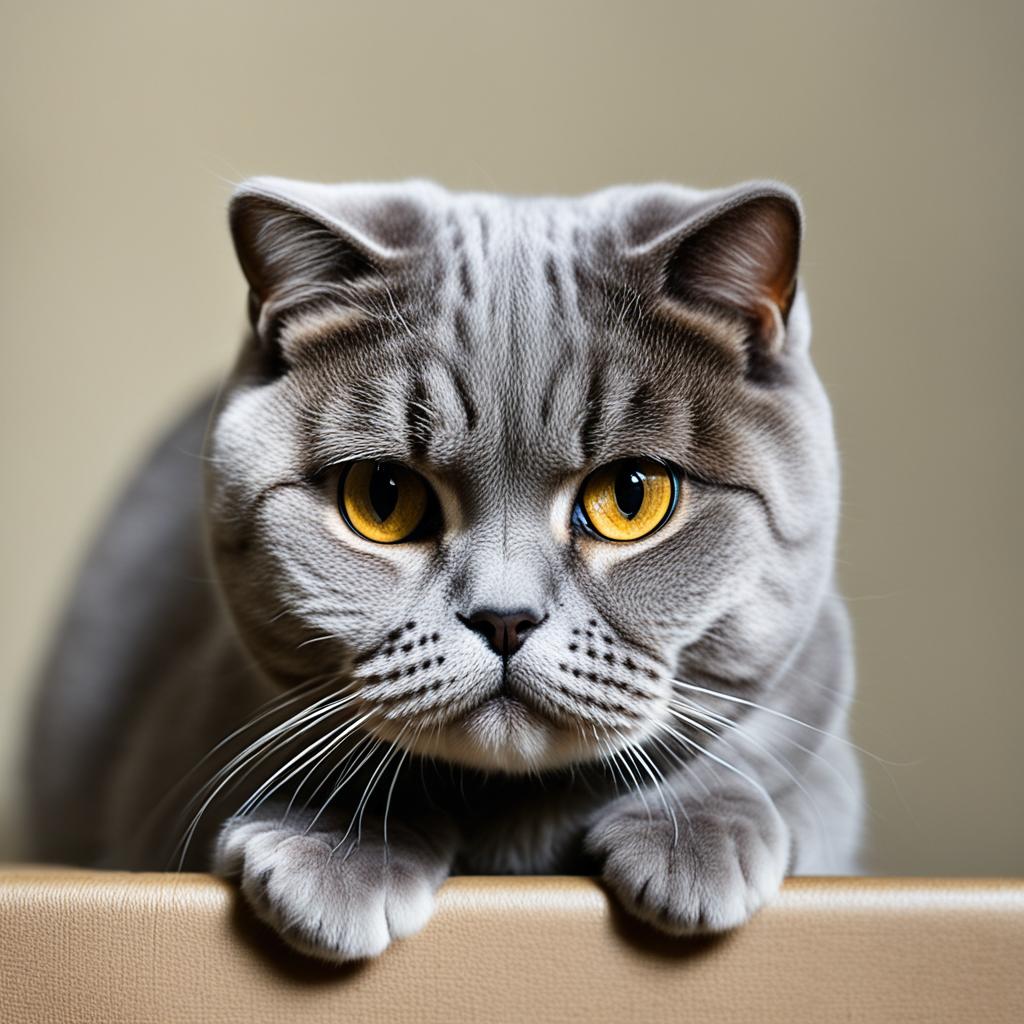
Health concerns in Scottish Fold cats can significantly influence their tendency to hide. Identifying and addressing these issues is crucial for ensuring they lead a comfortable and healthy life.
Osteochondrodysplasia
This genetic condition is prevalent in Scottish Folds and can lead to joint pain and other deformities. Cats suffering from osteochondrodysplasia often seek out cat hiding spots to avoid movement and ease their discomfort.
- Pain Management: Medications and supplements can help alleviate pain.
- Lifestyle Modifications: Providing soft bedding and easy access to essentials to minimize strain.
- Veterinary Check-Ups: Regular visits are essential to monitor and manage the progression.
Hypertrophic Cardiomyopathy
Another health concern for Scottish Folds is hypertrophic cardiomyopathy, a condition that affects the heart muscles. Symptoms can include lethargy and difficulty breathing, leading your cat to seek out quiet, dark cat hiding spots for relief.
- Regular Monitoring: Consistent veterinary check-ups to monitor heart health.
- Medication: Prescribed drugs can manage symptoms and improve quality of life.
- Balanced Diet: Nutritional changes may be recommended to support heart health.
Understanding these health conditions and implementing appropriate cat hiding tips can help alleviate the symptoms and ensure your Scottish Fold enjoys a better quality of life.
Conclusion
Understanding cat hiding, especially in Scottish Folds, offers profound insights into your furry friend’s mysterious habits. You now know that their tendency to disappear can stem from various factors—genetics, environment, and health issues—all playing significant roles.
By acknowledging the unique genetic makeup of Scottish Folds, including conditions like osteochondrodysplasia, you can better appreciate why your pet might seek solace in secluded spots. Environmental changes can equally provoke hiding, reinforcing the need for a stable and enriched living space.
When you ask, “Why is my Scottish Fold cat hiding?” Consider fear, anxiety, and health conditions as potential culprits. Implementing cat hiding solutions like providing safe spaces, using calming products, and seeking vet advice when necessary ensures a supportive environment for your cat. Ultimately, understanding cat hiding behaviors equips you with the knowledge to create a comforting home for your Scottish Fold, allowing them to thrive in peace and security.
FAQ
Why is my Scottish Fold cat hiding?
Scottish Folds may hide due to fear, anxiety, health issues, or changes in their environment. Understanding these factors can help you determine why your kitty has turned into a stealthy ninja.
What should I do if my Scottish Fold is hiding?
Provide a safe and secure space, use calming products like pheromone diffusers, and observe for any signs of illness. If the behavior persists, contact a veterinarian.
Where do Scottish Fold cats typically hide?
Common hiding spots include under furniture (such as sofas and beds) and inside closets where they find darkness and quietness. These areas offer them perceived protection and peace.
Can health issues cause my Scottish Fold to hide?
Yes, health issues like osteochondrodysplasia and hypertrophic cardiomyopathy can cause discomfort or pain, leading your cat to seek solitude. Regular veterinary check-ups are essential.
How do genetics affect my Scottish Fold’s hiding behavior?
The genetics of Scottish Folds, especially their folded ears, can influence their behavior. Health conditions related to their genetics, like osteochondrodysplasia, can also contribute to their hiding tendency.
How can I comfort my hiding Scottish Fold?
Ensure your kitty has a safe space, consider using calming products like pheromone diffusers, and create an enriching environment with interactive toys and perches.
When should I take my hiding Scottish Fold to the vet?
If your Scottish Fold’s hiding behavior is accompanied by signs of illness or persists for an extended period, it’s crucial to consult with a veterinarian to rule out or treat any underlying health conditions.
How can I prevent my Scottish Fold from hiding?
Enriching their environment, providing interactive toys, safe outdoor spaces, and careful socialization can prevent boredom and reduce stress, potentially mitigating hiding behavior.
Gradual exposure to new people and environments, along with positive reinforcement, can encourage confidence in your Scottish Fold and reduce the likelihood of hiding due to social stress.
What health conditions are linked to my Scottish Fold’s hiding behavior?
Conditions like osteochondrodysplasia and hypertrophic cardiomyopathy can cause discomfort or pain, prompting your Scottish Fold to hide. Regular vet check-ups and appropriate treatment are important.


